Roofing membranes, basement rolls and tunnel waterproofing sheets are expected to hold up for decades under UV, temperature swings, ground movement and constant moisture pressure. A tensile value that's under spec, a seam that peels apart, or a sheet that's thinner than declared won't fail on the production line — it fails underground or on a roof, long after installation, when it's expensive to fix. Testing the material before it ships is the only practical way to catch that in advance.
Ground movement, root penetration and foot traffic during installation can tear or puncture a sheet that doesn't meet its rated strength.
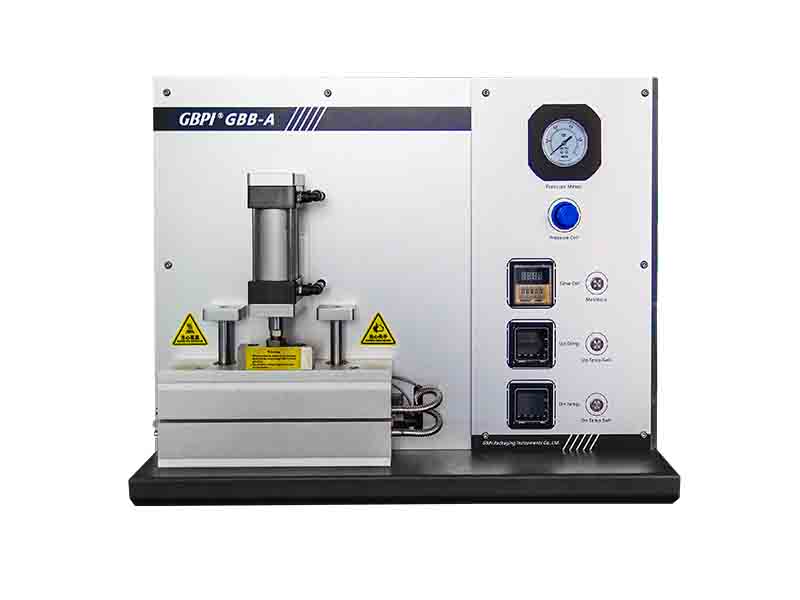
Most waterproofing failures start at a seam, not the sheet itself — an under-strength heat-welded or adhesive lap joint is a common failure point.
Contractors and project owners increasingly require documented test data against GB/T 328 or ASTM standards before accepting a waterproofing material supplier.
These are the mechanical and barrier properties most commonly specified for polymer waterproofing sheets, self-adhesive rolls, applied coatings and cured sealants.
| Property | Why it's tested | Reference standards | Recommended instrument |
|---|---|---|---|
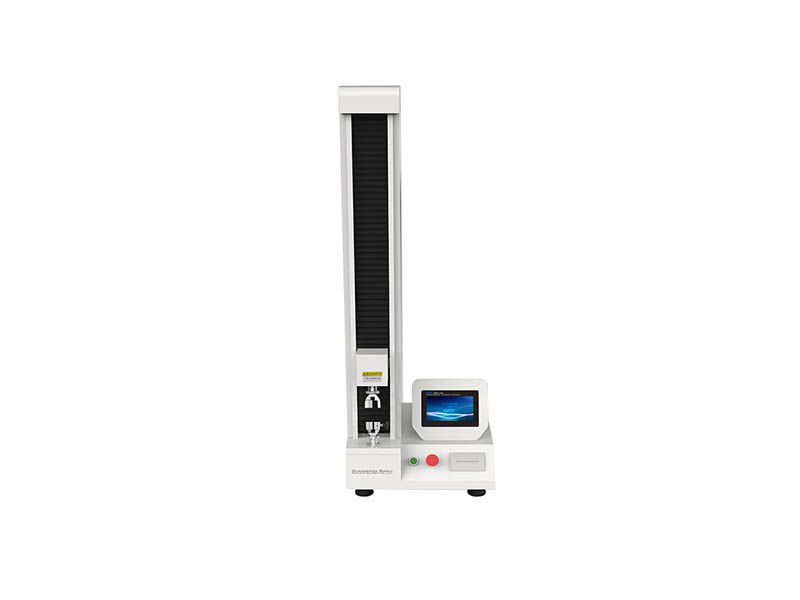
| Tensile Strength & Elongation at Break | Confirms the sheet or cured coating can stretch and carry load without cracking or failing | GB/T 328.9, ASTM D412 | Universal Tensile Tester |
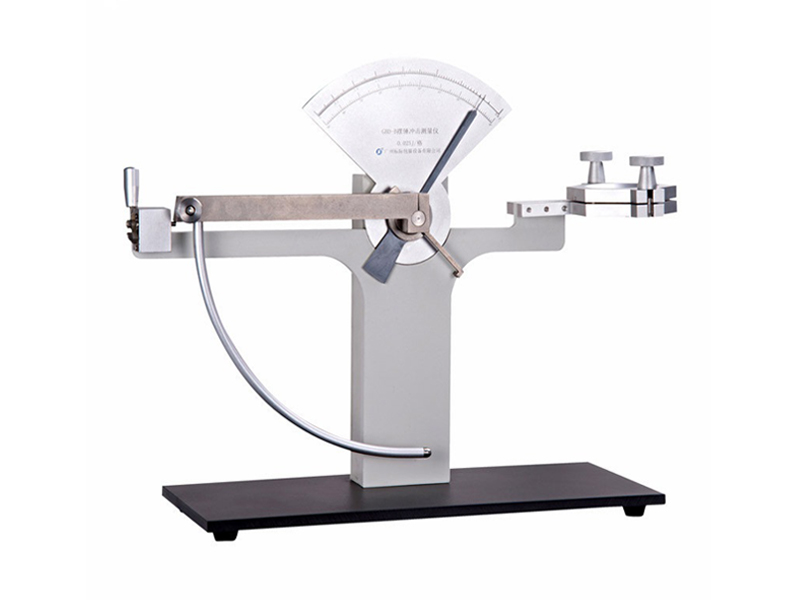
| Tear Resistance | Predicts resistance to propagating tears from an installation nick or puncture point | GB/T 529, ASTM D1004 / D1922 | Elmendorf Tear Tester |
| Puncture Resistance | Verifies the sheet survives foot traffic, gravel ballast and root penetration during and after installation | GB/T 328.19, ASTM E154 | Tensile Tester (puncture probe) |
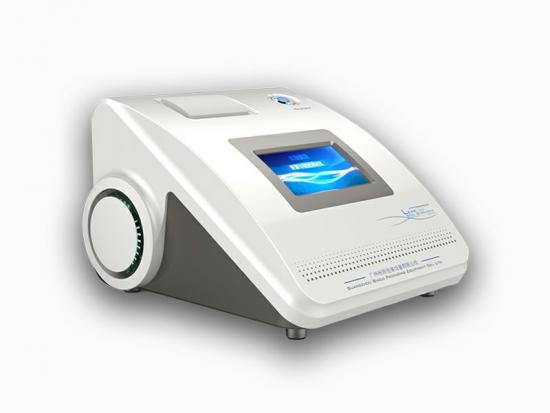
| Seam / Lap Joint Strength | Confirms heat-welded or adhesive lap joints hold — the most common real-world failure point | GB/T 328.20, ASTM D1876 | Heat Seal Tester + Tensile Tester |
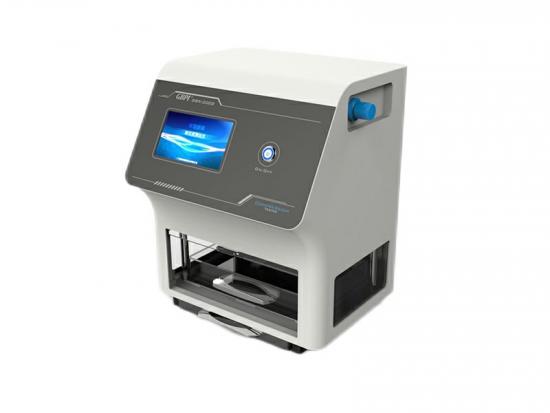
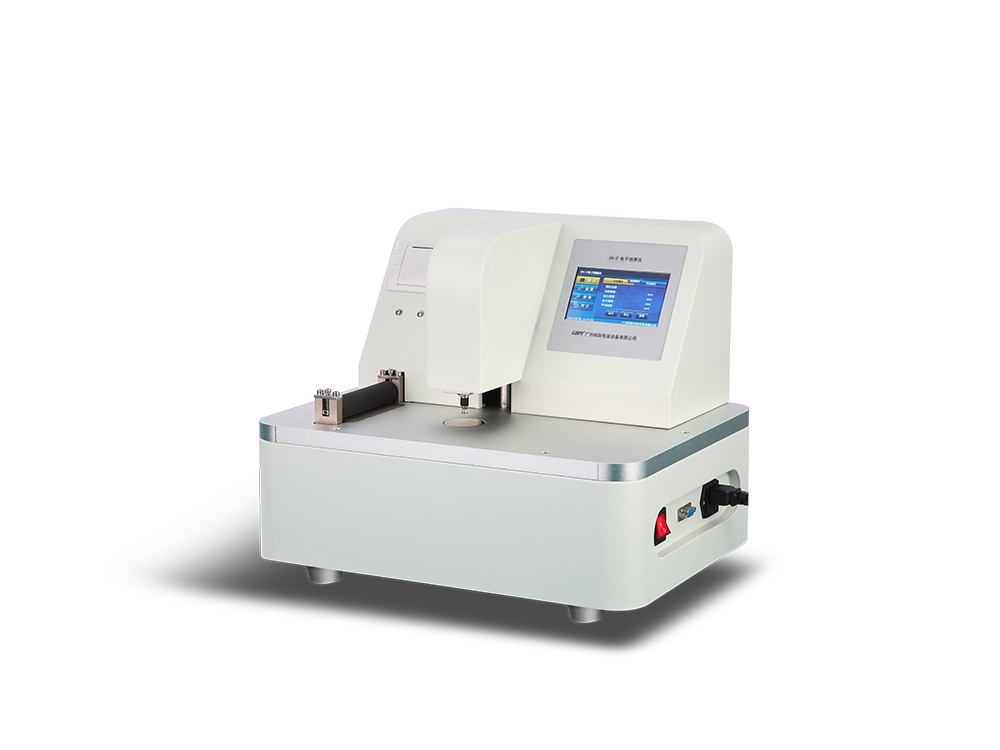
| Thickness & Weight per Unit Area | Confirms gauge consistency, which underlies every other mechanical and barrier result | GB/T 328.1, ASTM D751 | Thickness Tester |
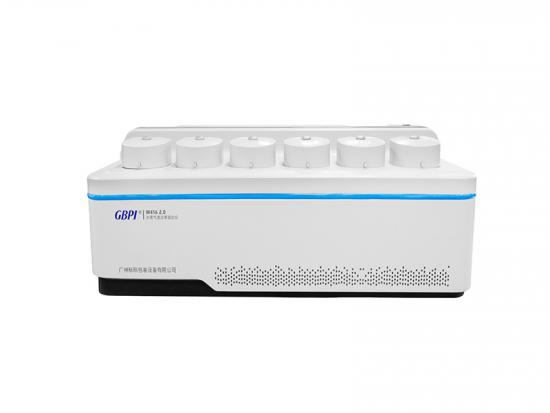
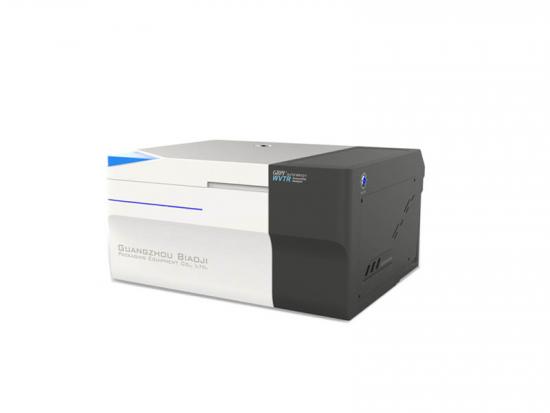
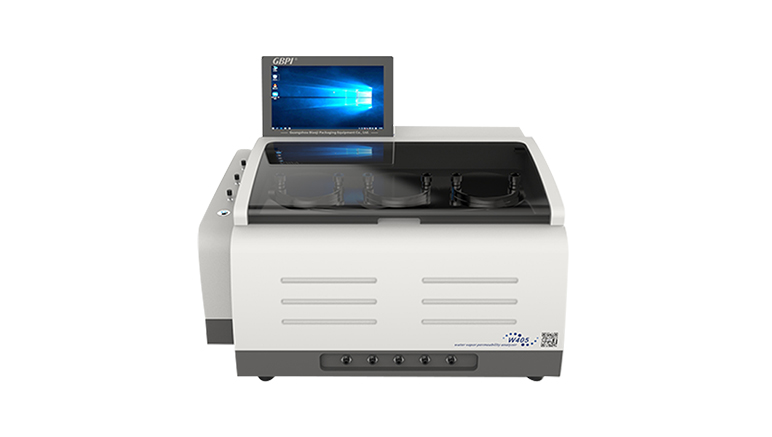
| Water Vapor Transmission (breathable membranes) | Verifies moisture-permeable roofing underlays and geomembranes pass vapor while blocking liquid water | GB/T 1037, ASTM E96 | Water Vapor Permeability Analyzer |
The core mechanical test set stays similar across categories — what changes is which format and which standard a project specification calls for.
TPO, PVC and HDPE sheets — tensile, tear and seam strength drive weather-tightness performance.
Self-adhesive bituminous and polymer rolls — puncture resistance and lap joint strength are critical underground.
Polyurethane and acrylic liquid-applied membranes — cured film tensile and elongation determine crack-bridging ability.
Expansion joint and curtain-wall sealants — tensile adhesion and elongation confirm movement capability.
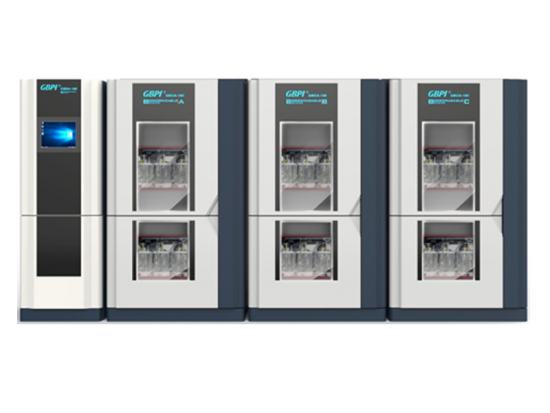
A typical waterproofing material QC lab builds around a tensile/tear tester, a heat-seal analyzer for seam testing, and a thickness gauge. These cover the majority of specification requirements for polymer sheets and rolls.
Exact applicable standards depend on the instrument model and test method selected — confirm the specific standard for your product with our team before specifying.


Copyright @ 2026 Guangzhou Biaoji Packaging Equipment Co.,Ltd. All Rights Reserved.

 info@gbtest.cn
 en
en ru
ru es
es ar
ar