A blister that lets in a fraction more moisture than spec can degrade a hygroscopic API before its expiry date. A seal that's weak in one corner can compromise sterility. A cap that under-torques can fail a child-resistant requirement. None of these are visible on a line inspection — they surface later, as an out-of-specification stability result, a failed audit, or a field complaint. Testing the packaging before the batch is released is what stands between a lab result and a recall.
Barrier failure on blister or sachet packaging accelerates API degradation and can shorten shelf life below label claims.
A compromised seal on a blister, pouch or vial risks microbial ingress and loss of container closure integrity through the supply chain.
Regulatory filings and customer audits increasingly require documented test data against ASTM, ISO 11607 and USP methods before packaging is approved.
These parameters cover the majority of specification requirements across blister packs, sachets, bottles, vials and prefilled syringes used in pharmaceutical packaging.
| Property | Why it's tested | Reference standards | Recommended instrument |
|---|---|---|---|
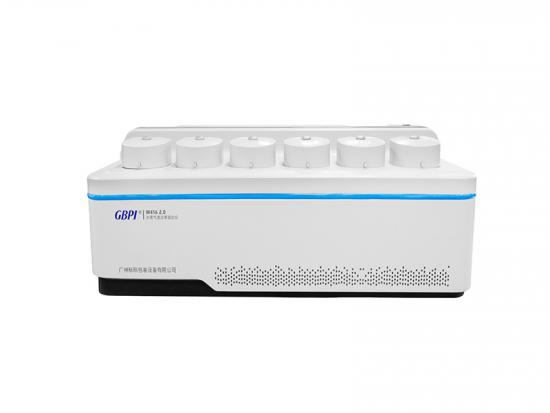
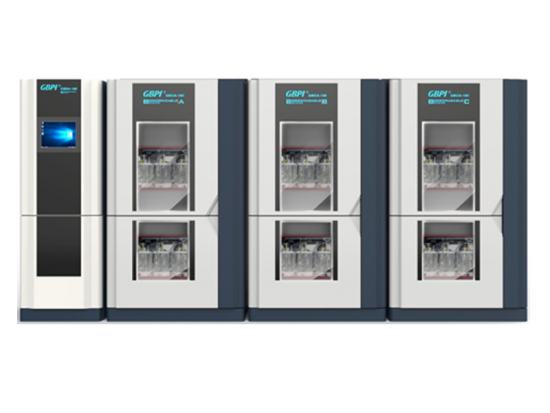
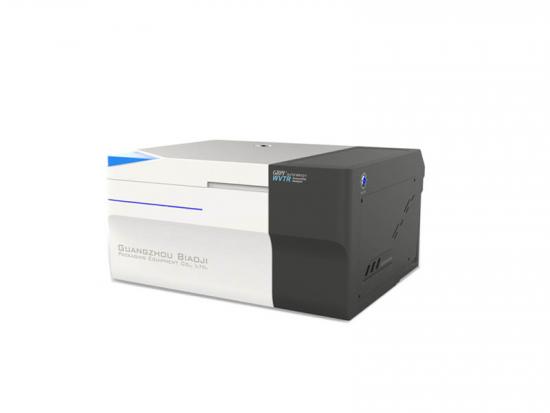
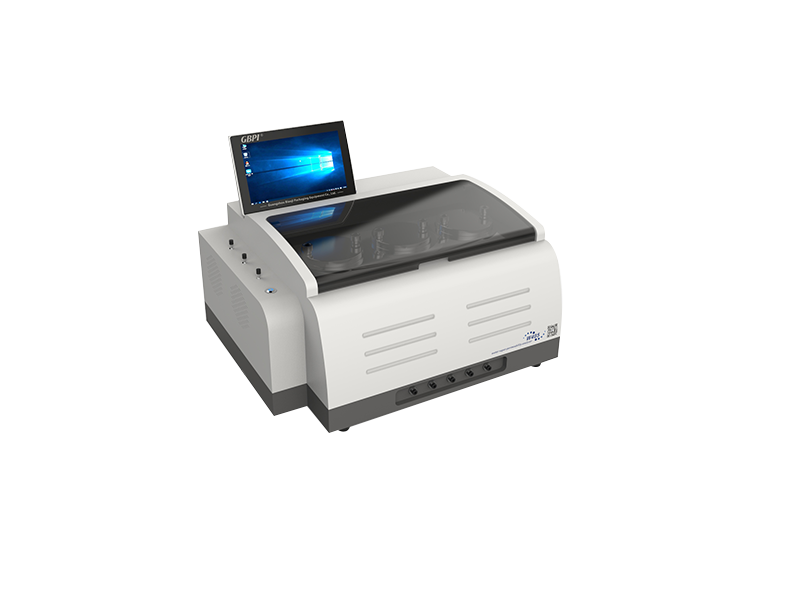
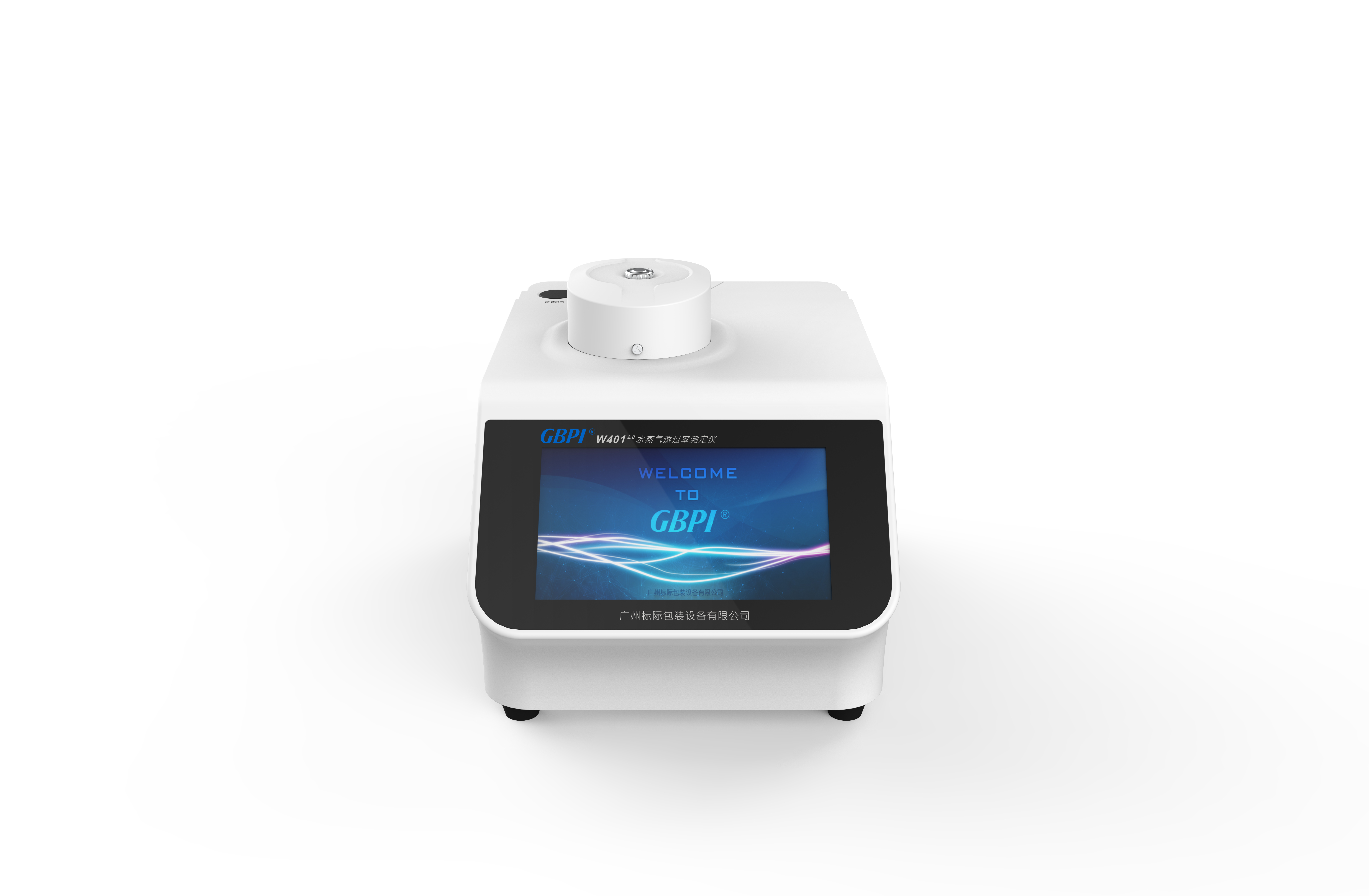
| Water Vapor Transmission Rate (WVTR) | Protects moisture-sensitive APIs in blister, strip pack and bottle packaging from premature degradation | USP <671>, ASTM F1249 | Water Vapor Permeability Analyzer |
| Oxygen Transmission Rate (OTR) | Determines oxidation risk for oxygen-sensitive drug products in blister and pouch packaging | ASTM D3985 | Oxygen Permeability Analyzer |
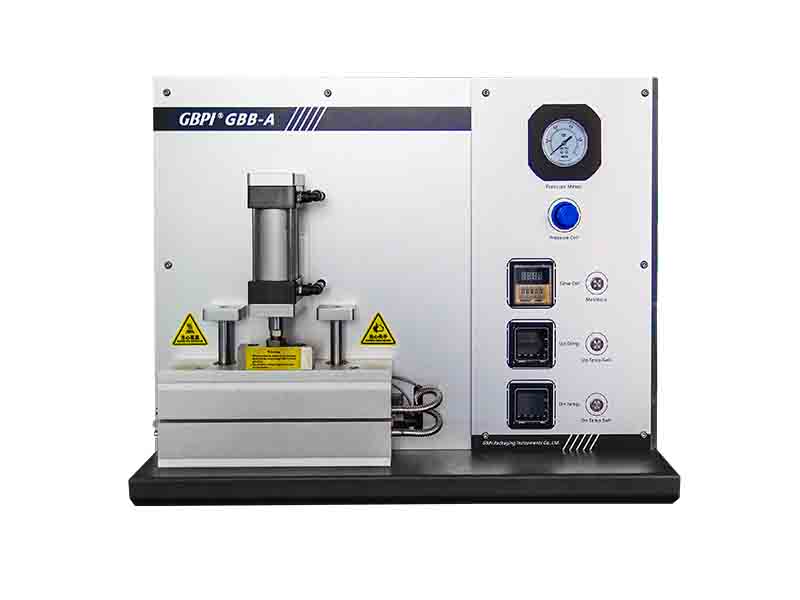
| Heat-Seal / Lidding Peel Strength | Confirms blister lidding foil and sachet seals hold under the actual sealing window used on-line | ASTM F88, ISO 11607-2 | Laboratory Heat Sealer + Tensile Tester |
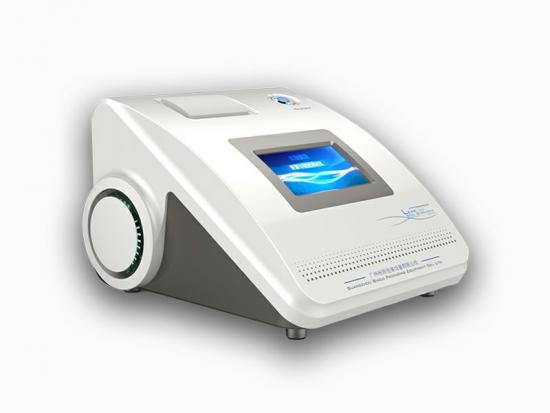
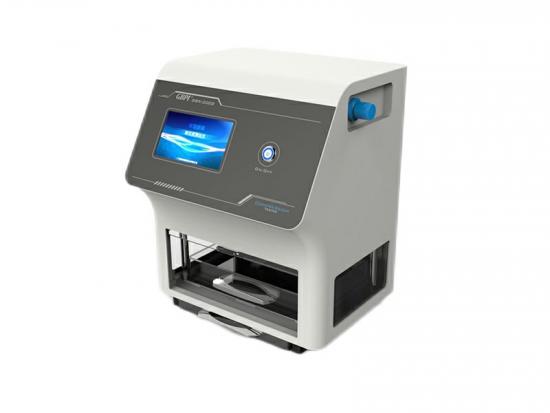
| Seal & Container Closure Integrity | Detects pinholes, channel leaks and weak seals on blisters, pouches, bottles and vials before release | ASTM F2096, ASTM D3078 | Seal Integrity Tester |
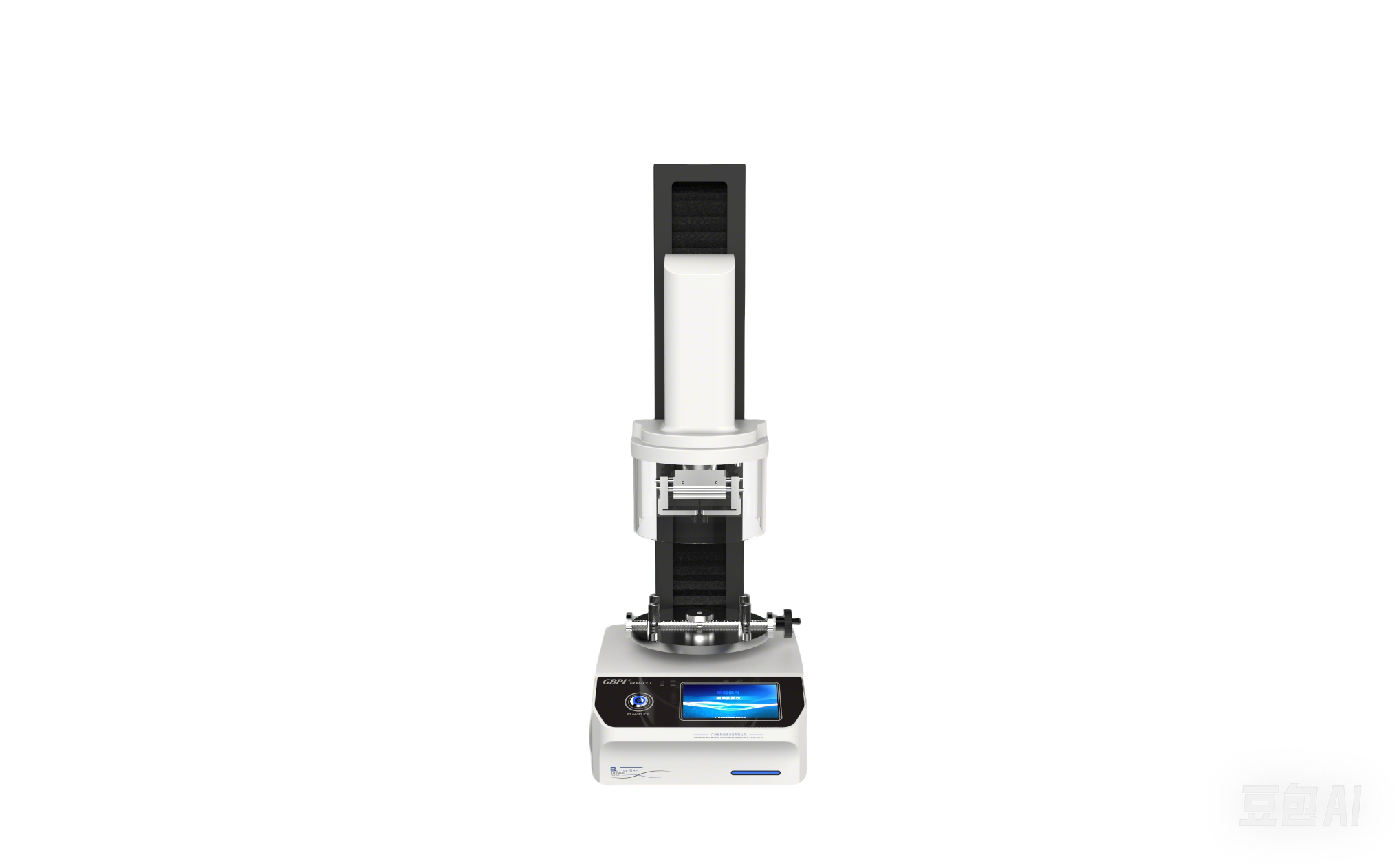
| Cap Torque / Child-Resistant Closure | Verifies application and removal torque on bottle caps meets child-resistant packaging requirements | ASTM D3475, ISO 8317 | Torque Tester |
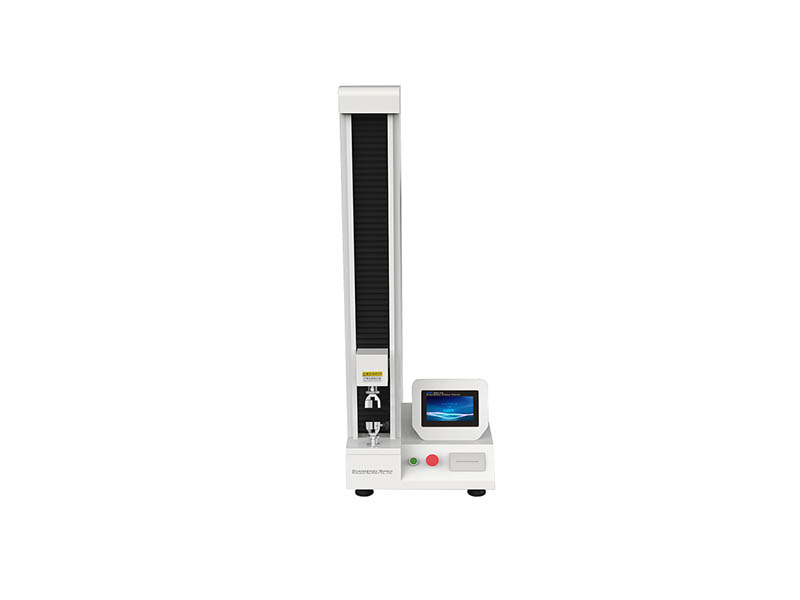
| Syringe Plunger Sliding / Breakout Force | Confirms prefilled syringe plunger moves within the force range needed for safe, consistent dosing | Internal method, ISO 7886 | Universal Material Testing Machine |
| Blister Film / Foil Thickness | Confirms gauge consistency, which underlies every other barrier and mechanical result | ASTM D374 / D751 | Thickness Tester |
The core test set stays similar across categories — what changes is which format and which standard a regulatory filing or customer audit expects to see.
PVC/PVDC and Alu-Alu blisters — WVTR, OTR and lidding peel strength protect tablet and capsule stability.
Powder and granule sachets — seal strength and barrier performance drive shelf-life claims.
Tablet bottles, liquid and biologic vials — cap torque, container closure integrity and CRC compliance are the focus.
Prefilled syringes and cartridges — plunger sliding force and seal integrity confirm safe, consistent delivery.
A typical pharmaceutical packaging QC lab builds around a barrier tester, a seal/CCI tester and a torque tester. Together they cover most specification and audit requirements.
Exact applicable standards depend on the instrument model and test method selected — confirm the specific standard for your product with our team before specifying.


Copyright @ 2026 Guangzhou Biaoji Packaging Equipment Co.,Ltd. All Rights Reserved.

 info@gbtest.cn
 en
en ru
ru es
es ar
ar