info@gbtest.cn


 en
en ru
ru es
es ar
ar




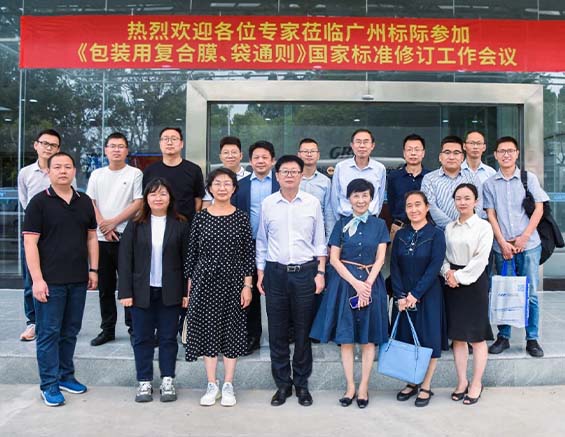
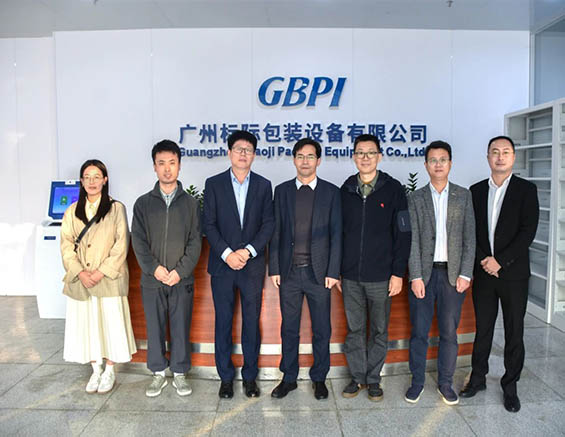
Guangzhou, China – March 27, 2024 – Guangzhou Biaoju Packaging Equipment Co., Ltd. (GBPI) successfully hosted the National Standard Revision Meeting for General Rules for Plastic Composite Films and Bags for Packaging, a critical initiative organized by SAC/TC48/SC1 (Subcommittee for Plastic Daily-Use Products under the National Technical Committee for Plastic Products). This high-profile event brought together over 50 experts, corporate representatives, and technical leaders from across China to refine and modernize the national standard GB/T 21302-2007, which has governed the industry for nearly two decades. Revolutionizing an 18-Year-Old Standard The revision, mandated under China’s 2024 Sixth Batch of Recommended National Standards (Plan No.: 20242730-T-607), responds to seismic shifts in packaging technology, safety requirements, and sustainability imperatives. Since the original standard’s implementation in 2007, the industry has undergone three transformative structural changes: 1. Technological Leap: Innovations like co-extrusion composites, digital printing, high-barrier coatings, and solvent-free bonding have revolutionized production. Modified polyolefins and single-material structures now dominate, replacing traditional multi-layer designs. 2. Enhanced Safety Protocols: Stricter limits on solvent residues and migrant substances, aligned with global food safety standards (e.g., EU and FDA regulations), demand advanced testing methodologies. 3. Green Regulatory Pressure: China’s dual-carbon goals and circular economy policies have accelerated adoption of eco-friendly materials and energy-efficient processes. Mr. Zhou, General Manager of GBPI Guangzhou, opened the meeting by emphasizing the urgency of aligning standards with these advancements: “This revision isn’t just about compliance—it’s about leading the global packaging industry toward innovation and responsibility.” Consensus-Driven Outcomes Under the leadership of Secretary-General Peng, delegates reached consensus on key revisions: - Material Innovation: Prioritizing mono-material structures to enhance recyclability and reduce carbon footprints. - Process Standards: Establishing benchmarks for emerging technologies like vacuum metallization and water-based adhesives. - Safety Thresholds: Lowering solvent residue limits to ≤ 3 mg/m² and adopting GC-MS (Gas Chromatography-Mass Spectrometry) as the primary testing method. - Sustainability Metrics: Introducing lifecycle assessment (LCA) criteria for composite films and promoting biodegradable alternatives. Industry leaders, including Jiangsu Caihua Packaging Group and Huangshan Novel Co., Ltd., underscored the economic implications. “Standardization will eliminate low-cost, non-compliant competitors and foster high-value growth,” noted a representative ...
View More