
 info@gbtest.cn


 en
 ru
 es
 ar


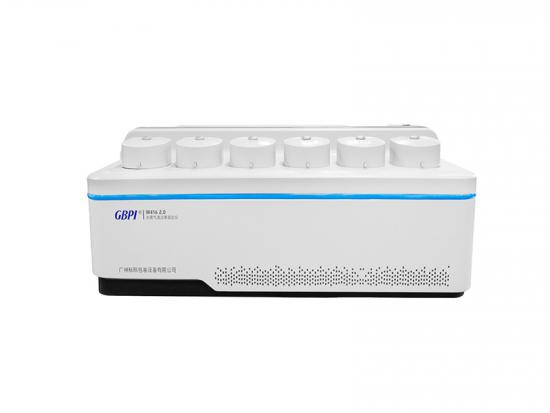
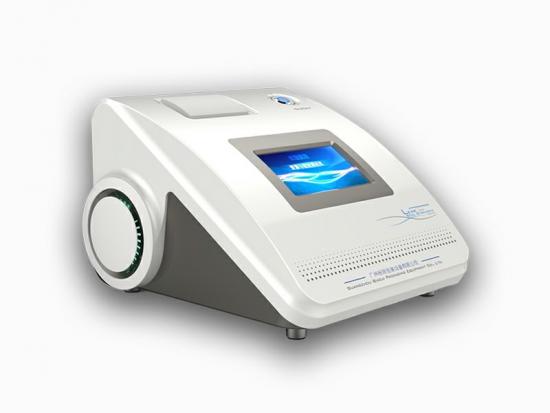
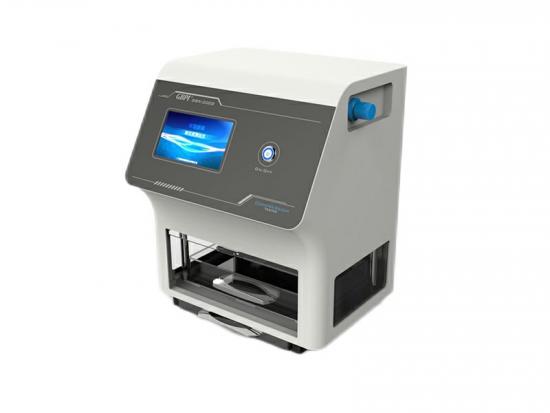
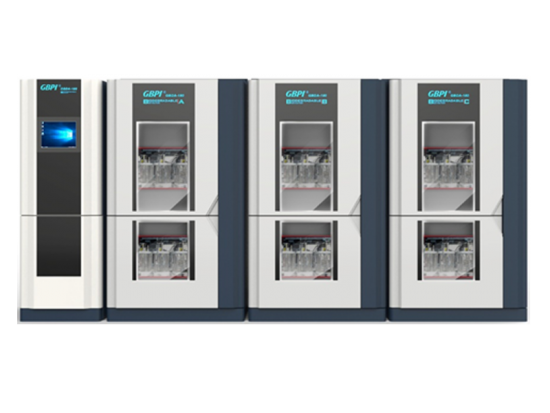
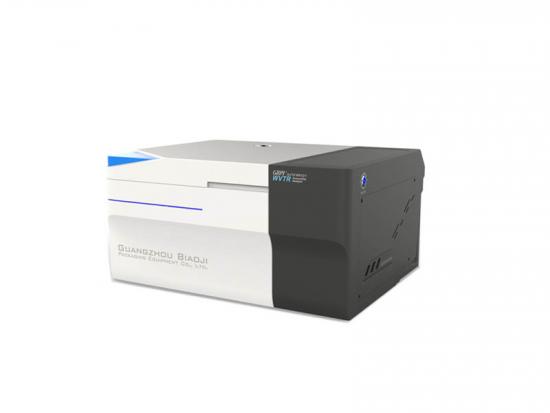
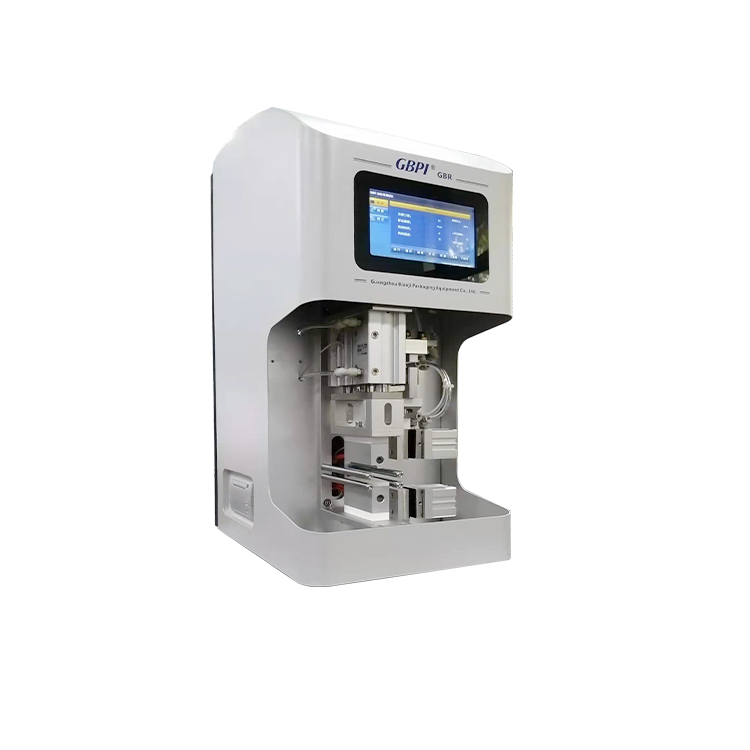
GBR Hot Tack Tester
A seal is at its weakest in the second after it is made. The GBR seals a specimen and peels it while the seal is still hot — the same window a bagging line loads a pouch in — so the number you record reflects the filling machine, not a cooled sample tested hours later.
Hot tack is a different property from seal strength
Seal strength is measured after the seal has cooled and the polymer has fully re-solidified. Hot tack is measured while the interface is still molten. Because the two are taken at different moments in the same process, a film that passes a seal strength test can still fail on a filling line — the pouch is filled and dropped while the seal is soft, and the seal splits before it ever reaches the cooling conveyor.
The GBR reproduces that window. It heat-seals a specimen of plastic film, laminated film or medical nonwoven at a set temperature, pressure and dwell time, then immediately performs a peel test on the hot seal at a controlled rate and records the force until the seal releases.
The result is a curve rather than a single figure: force against time from the moment the jaws open. The peak of that curve is the hot tack strength, and the way it decays tells you how forgiving the seal is during filling.
Typical questions the instrument answers: which of three laminate suppliers recovers tack fastest after sealing, at what jaw temperature a seal stops holding under load, and whether a reduction in seal pressure can be traded for line speed without losing tack.
One cycle, three stages
Temperature, pressure and dwell time are set on the touch screen before each run; the pneumatic jaws then carry the specimen through the whole sequence without an operator touching it.
Upper and lower jaws close on the specimen at the set pressure. Each jaw holds its own temperature setpoint, so a cold-side / hot-side configuration can be reproduced instead of approximated.
The seal is held for the programmed hot tack time, from 0 to 99 s, to match the dwell of the production line being simulated.
The jaws open and the still-hot seal is separated immediately. Force and time are logged, the curve is drawn, and the report prints without any manual transcription.
Key specifications
The headline figures used to check whether the instrument covers the films and the line speeds you actually run.
Net weight 45 kg · 1100 W · built-in thermal printer. Air supply required for the pneumatic clamp. Other voltages available on request.
Built for repeatable results
Detail choices that decide whether a hot tack curve is reproducible across operators and across a shift.
Upper and lower sealing jaws hold separate setpoints, so asymmetric sealing — hot jaw against a cooler back-up jaw — can be reproduced rather than simulated.
A single cylinder with a synchronized circuit drives both jaws, keeping clamp force even across the seal and removing the operator-to-operator variation of a hand-loaded press.
Closed-loop control holds the jaw temperature to ±1 °C. Sensor calibration is a straightforward routine rather than a service call.
Sealing pressure and live test data are shown on the touch panel, so a drifting air supply shows up before it corrupts a whole batch of curves.
An optional release treatment for films that cling to the jaw after release — the usual cause of a torn specimen and a discarded test.
A built-in printer issues the test report directly; connected to a PC, the instrument exports the hot tack curve and generates the report file for your records.
Where hot tack decides the outcome
Two material families account for most of the demand for this instrument.

Food, pharmaceutical and daily-care pouches: PET/PE, BOPP/CPP, metallised and foil-bearing structures, plus the base films behind them. Used to qualify incoming laminate against a running line speed.
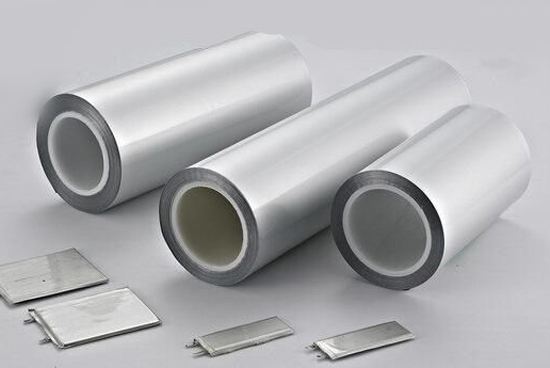
Coated nonwoven lidstock and film-to-nonwoven seals for medical device packaging, where a weak hot seal on the form-fill-seal machine compromises the sterile barrier rather than just the appearance.
Test your own film before you commit to a laminate
Send us the structure you run and the line speed you seal at. We will confirm the jaw configuration and the accessories needed — and quote the instrument against that, not against a generic configuration.
Figures above are typical values for the standard configuration; jaw width, air supply and electrical options are confirmed at order. Full parameter sheet and test report samples are available on request.