
 info@gbtest.cn


 en
 ru
 es
 ar


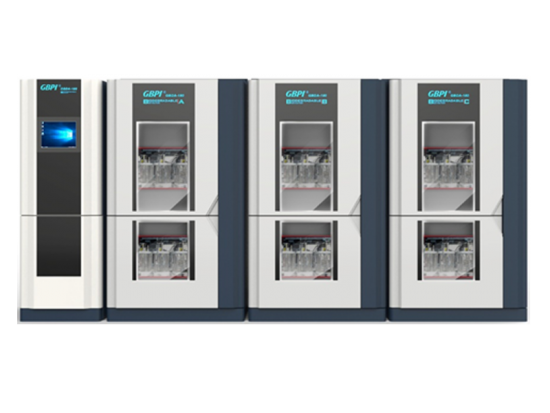
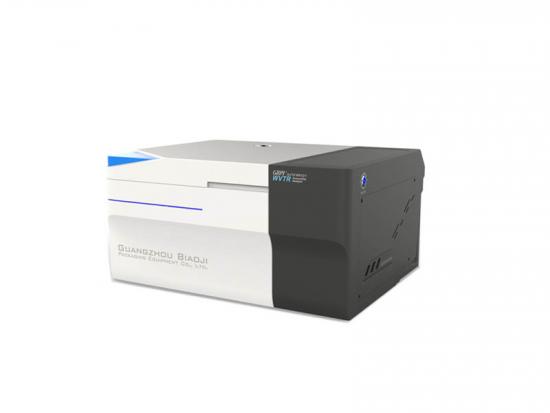
GF-2700XB Dual-Channel Linear Spout Sealing Machine
A fully automatic spout sealing machine that separates the pouch, cuts the corner, inserts the spout and seals it — on two independent lanes at once. Built for stand-up spout pouches in detergent, sauce, juice, edible oil and outdoor water bags.
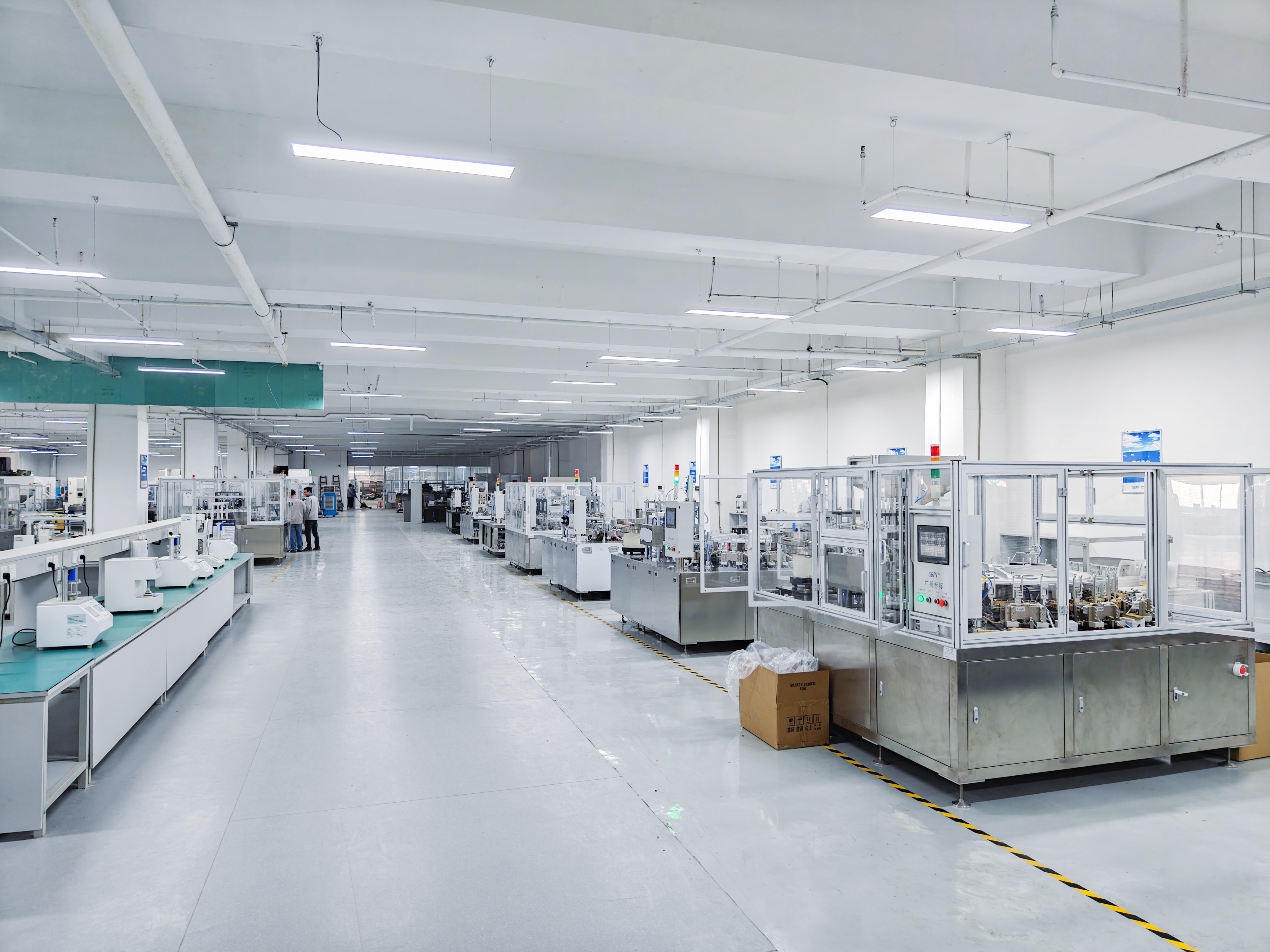
The spout pouch replaced the bottle — and the spout became the weak point
Detergent, liquid seasoning, juice, cooking oil, motor oil and collapsible outdoor water bags have largely moved from rigid containers to stand-up pouches with a linear spout. The reasons are commercial rather than cosmetic: less material per litre, far lower shipping weight, a resealable pouring point, and a shelf presence that a bottle cannot match at the same price point.
The conversion also moves the quality risk. A bottle that leaks is one defective unit. A pouch whose spout seal is offset by a millimetre, under-heated, or contaminated with product at the seal interface leaks in the carton, in the warehouse, or in the customer's hand — and takes the whole shipment's credibility with it. The spout joint is the only place on the pack that has to hold under repeated squeezing, and it is the hardest joint to make consistently at speed.
That is precisely the operation the GF-2700XB Dual-Channel Linear Spout Sealing Machine is built around: feeding bags, cutting the spout corner, inserting the spout, and sealing it with a controlled heat-and-cool cycle, automatically, on two lanes.
In most factories the spout station is the last manual step left on an otherwise automatic pouch line — one or two operators inserting spouts by hand, a leak rate that moves with the shift, and an output ceiling that is set by wrists rather than by the filler.
Why factories buy a dual-channel spout sealing machine
Five situations come up in almost every specification conversation. If two or more describe your line, a single-lane machine will not solve the problem.
A single-lane spout sealer starts to bind at roughly 40–45 pouches per minute. Running two lanes in one machine, sharing one operator and one control system, doubles that without doubling the floor space or the headcount.
A spout seal that is hot for a moment too long, or too cold by a few degrees, fails at the interface. Stepped heating by a dedicated cooling knife stabilises the joint instead of leaving it to cool in ambient air on the conveyor.
Hand insertion gives you a position that varies with the operator and a rate that varies with the hour. Automated separation, transfer and rotary spout placement hold position to within ±0.5 mm and remove the operator from the hygiene zone.
One season brings a narrower pouch, a 10 mm spout instead of 8.5, a different corner cut. PLC-based parameter recipes and independently controlled sealing knives let the machine absorb that instead of forcing a dedicated line per pack.
Food, detergent and medical-style audits ask what the machine is made of, how it is cleaned, and whether product contact parts are stainless. Aluminium and stainless construction with open, cleanable geometry is designed for that answer.
Automatic fault detection stops the machine, alarms, and displays where the fault is — so a jam in the spout track is cleared in minutes by the line operator rather than waiting for a service visit.
One pass, four operations, two lanes
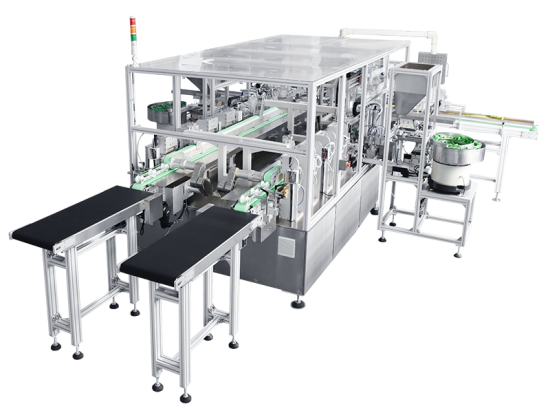
The GF-2700XB runs the whole spout-fitting sequence in a single continuous path. Nothing is buffered between stations, so a bag cannot arrive at the sealer out of sequence.
The bag feeding system lifts one pouch from the stack, transfers it and squares it up against the locating datum.
The cutting unit trims the corner at the linear spout angle so the spout seats flat against the pouch wall.
A vibratory bowl and linear track orient the spouts; a rotary placement unit inserts each one. Feed starts and stops automatically as the track fills.
Six tooling groups — one preheat, four sealing, one cooling — complete the joint under independent temperature control before the pouch is released.
Finished pouches are discharged onto a constant-speed indexing conveyor, evenly spaced for visual inspection and pack-out.
Technical parameters
Capacity figures depend on bag material, pouch format and spout size — confirm them against your own sample before ordering tooling.
Stand-up pouch, three-side seal, gusset, and custom special shapes.
Pouch: inner layer PE or PP. Spout: PE or PP.
What makes this spout sealing machine reliable at speed
Dual-channel operation is the headline, but the seal quality comes from how the heat is applied and how the machine behaves when something goes wrong.
Bag separation, corner cutting, spout insertion and heat sealing run without an operator at the station. The second lane shares the same control system and the same operator.
Pouch size, spout diameter and sealing temperatures are stored as a recipe, so a changeover is a matter of recalling settings rather than re-teaching the machine.
Temperature modules with ±0.1 °C stability, and SMC, Festo and AirTAC pneumatic components — the parts most likely to drift on a machine running three shifts.
Instead of one hot knife and a prayer, the joint passes a preheat group, four sealing groups and a cooling group. Each knife holds its own setpoint and can be commissioned independently.
The machine detects a fault, stops, alarms, and shows the location on the interface, so an operator can clear it without calling a technician for every jam.
Main structure and product-contact parts are aluminium and stainless steel, with open geometry that suits the cleaning regime of food, detergent and GMP-regulated plants.
How the machine is put together
Six systems on one base frame. Knowing them helps you plan the layout, the air supply and the operator positions before the machine arrives.
Separation unit lifts single pouches from the stack, a transfer unit carries them, and a locating unit squares the pouch against the sealing datum.
Vibratory bowl, linear vibratory track and rotary placement unit; feed starts and stops on automatic level detection so the track is never overrun.
Cuts the spout corner to the linear spout angle before insertion, so the spout face meets the pouch wall squarely and the seal has a clean interface.
Five sealing knives and one cooling knife, each with independent temperature control. Knife sets are made to match the spout diameter and are changeable.
Indexes at constant speed and arranges finished pouches evenly, so an inspector can scan the seal of every unit without handling them.
Displays running speed, finished count, shift output, date and sealing temperatures in real time, and holds the parameter recipes for each product.
Applications of the GF-2700XB
Any stand-up pouch that has to pour or squeeze through a spout falls into the same sealing problem — which is why one machine covers so many categories.

Large-volume stand-up pouches that have to survive repeated squeezing and resist aggressive liquid contents at the seal edge.
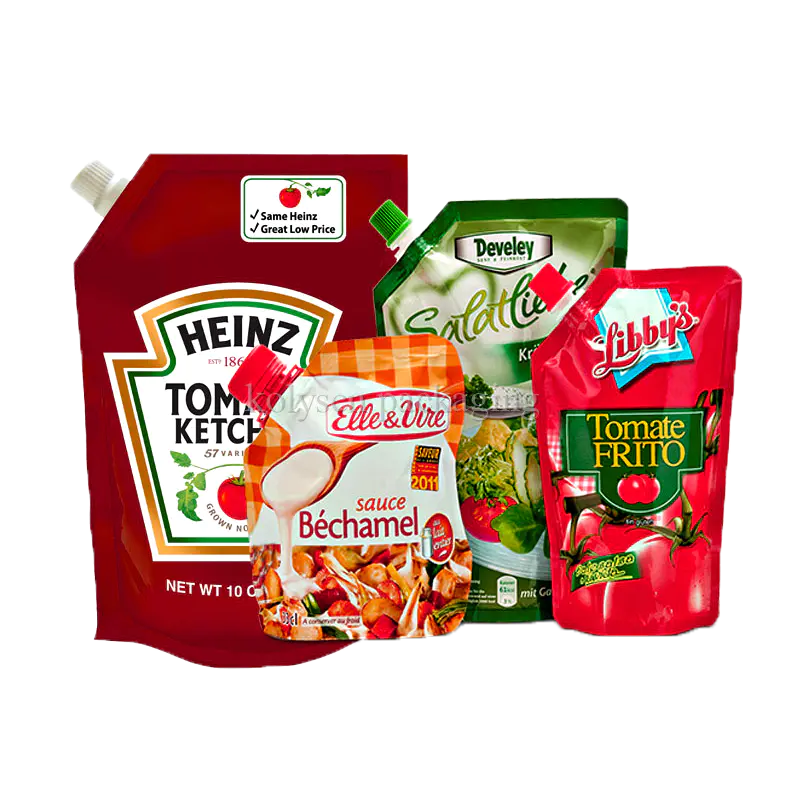
Soy sauce, cooking oil, condiments: viscous or oil-based fills where any leak at the spout shows up immediately in transit.
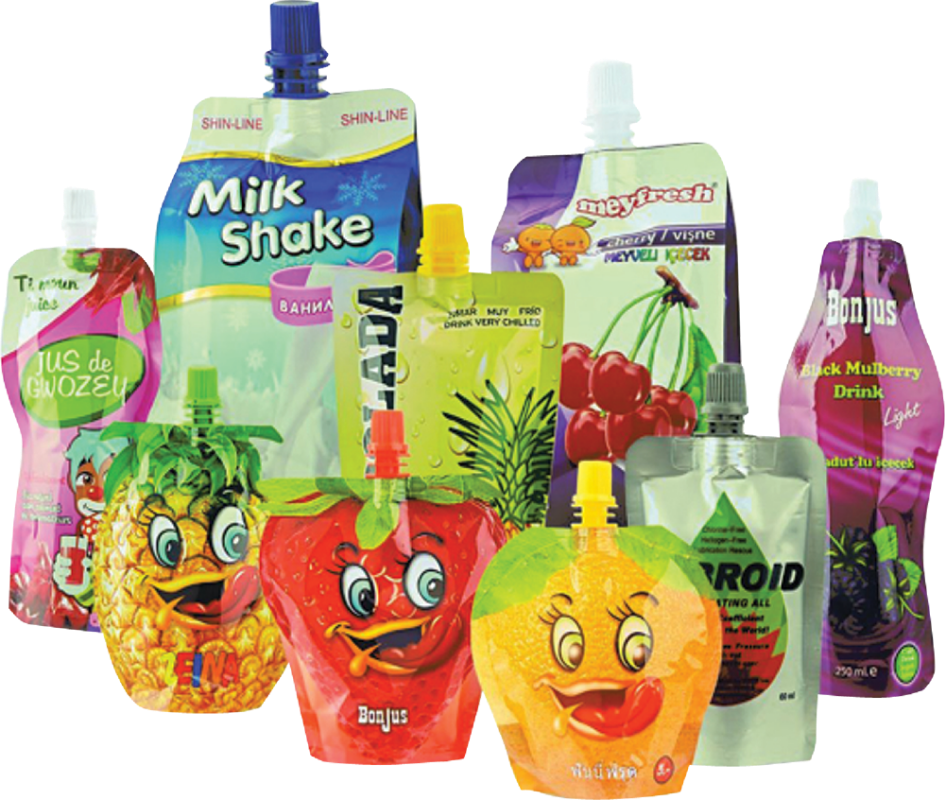
Single-serve and family juice packs, where a clean spout seal also decides whether the product looks premium on shelf.

Folding water carriers for camping and emergency supply, sealed with the same 45° linear spout joint in thicker PE structures.
Questions buyers ask before ordering
80–90 pouches per minute across both lanes, or 40–45 per lane. Actual output varies with pouch material, format and spout size, so confirm it on samples.
8.5 mm is the standard, with 10 mm, 14 mm and 16 mm spouts supported through matching sealing and cooling knives. Other diameters can be tooled on request.
It accepts pouches 150–350 mm long and 130–250 mm wide with a 60–120 mm seal length, in stand-up, three-side seal, gusset or custom shapes, with PE or PP inner layers. Send a bag and spout sample and we will confirm tooling.
380 V / 50 Hz at 13 kW, and clean dry air at 0.6–0.8 MPa with 22 L/min consumption. The machine weighs 3500 kg and occupies 5800 × 4100 × 1800 mm, so plan access for a forklift.
45°±5° is standard. If your pack design uses a different angle, the cutting unit and sealing knives are specified accordingly rather than forced into the standard geometry.
The machine detects the fault, alarms, stops automatically and displays the location on the interface, so the line operator can clear it and restart without waiting for service.
Quote it against your own pouch, not a catalogue
Send the pouch format, spout diameter and target output. We will confirm the tooling set, the lane configuration and the utilities your site needs to supply — then quote the GF-2700XB on that basis.
Capacity and dimensional figures are for the standard configuration and vary with pouch material, format and spout size. Custom angles, spout diameters and special bag shapes are quoted after sample evaluation.