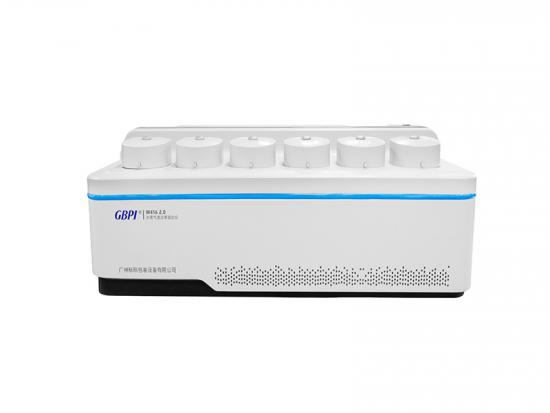
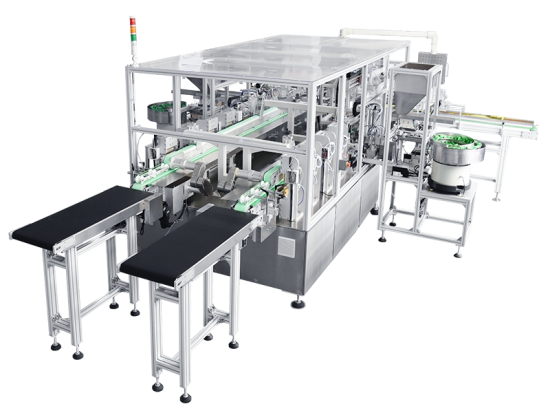
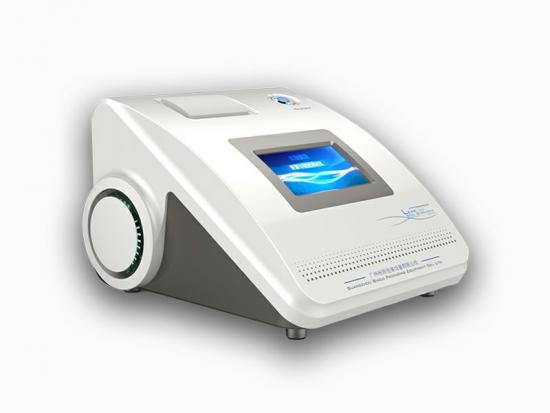
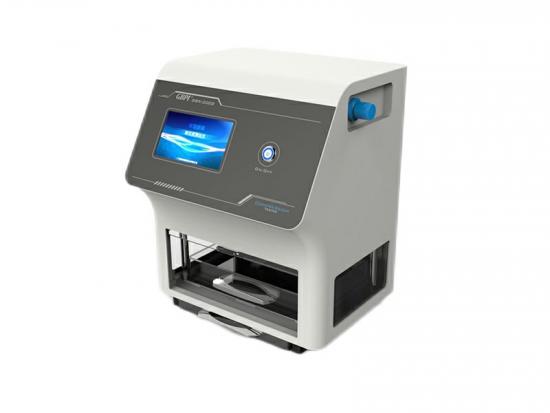
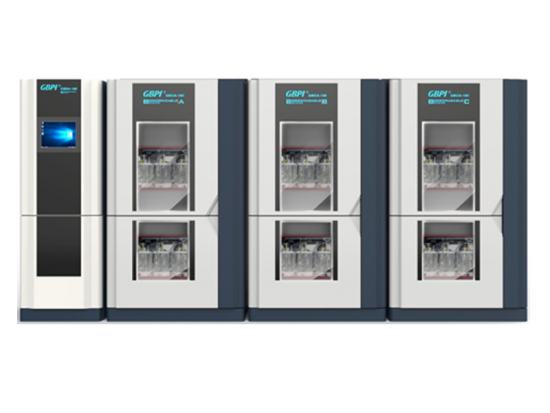
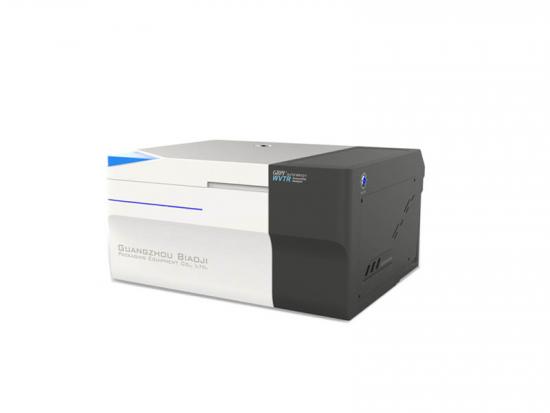
packaging testing equipment Water Vapor Permeation Tester
Industry News
  • GBPI Participates in Drafting National Standard GB/T 43019.6-2025, Leading Standardization in the Packaging Testing Industry
    GBPI Participates in Drafting National Standard GB/T 43019.6-2025, Leading Standardization in the Packaging Testing Industry 2026-01-20
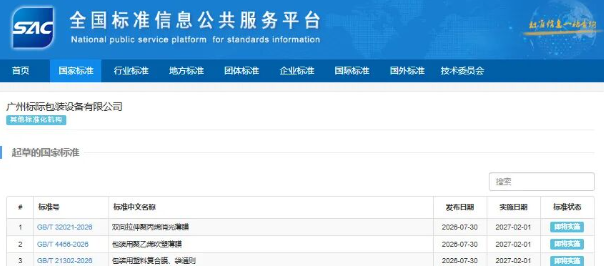
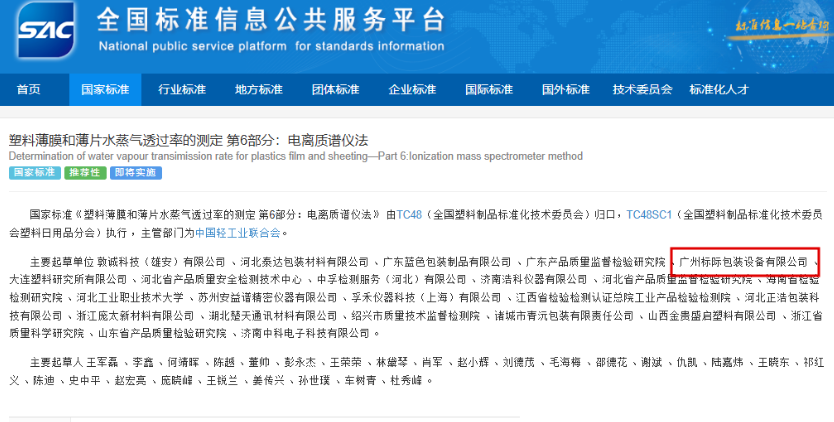
    Exciting news! With its profound technical expertise and significant industry influence in the field of packaging testing, Guangzhou GBPI Packaging Equipment Co., Ltd. (GBPI) has successfully participated in the formulation of the National Standard GB/T 43019.6-2025: Plastics—Film and Sheeting—Determination of Water Vapor Transmission Rate—Part 6: Ionization Mass Spectrometry Method. This achievement empowers the upgrade of industry standards and fosters high-quality development within the packaging testing sector. A Breakthrough in Precision Testing The water vapor transmission rate (WVTR) of plastic films and sheets is a core indicator for measuring the barrier properties of packaging materials. It directly impacts the shelf life, safety, and stability of products across various industries, including food, pharmaceuticals, and electronics. The newly established GB/T 43019.6-2025 standard focuses on the Ionization Mass Spectrometry Method, a high-precision testing technology. By filling the gap in standardized testing methods for this technology, the standard provides the industry with a more scientific and efficient basis for testing, ultimately improving quality control systems for packaging materials.   GBPI: A Leader in Innovation As a National High-Tech Enterprise and a "Little Giant" enterprise (specialized, refined, differential, and innovative), GBPI has been deeply involved in the packaging testing instrument industry for over 20 years. Intellectual Property: Holds over 180 independent intellectual property rights. Technical Excellence: Developed multiple moisture and gas permeability testing instruments that broke international monopolies, with key parameters reaching world-class levels. Pioneering Spirit: Previously filled the gap in barrier property reference materials within the Asia-Pacific region. Throughout the drafting process, the GBPI team leveraged its deep understanding of packaging testing technology and extensive practical experience. The team was deeply involved in every core stage, including data research, technical parameter demonstration, and text drafting, providing a critical foundation for the standard's scientific rigor and practical utility. Looking to the Future Participating in the formulation of national standards is not only a high recognition of GBPI’s technical strength and industry status but also a testament to the company’s commitment to industry normalization. Moving forward, GBPI will continue to center its efforts on technological innovation. Guided by the philosophy that "First-class enterprises set standards," GBPI aims to transform standardized achievements into internal drivers for high-quality growth. We remain dedicated to contributing to the technical progress of the packaging testing industry, ensuring the quality and safety of the food, medical, and electronic sectors.
    View More
  • the Importance of WVTR Testing for Semiconductor Package
    the Importance of WVTR Testing for Semiconductor Package 2023-12-18
    A semiconductor package is a metal, plastic, glass, or ceramic casing containing one or more discrete semiconductor devices or integrated circuits. Individual components are fabricated on semiconductor wafers (commonly silicon) before being diced into die, tested, and packaged. Water Vapor Transmission Rate (WVTR) testing is critical for semiconductor packaging for several reasons: 1. Protection Against Moisture: Semiconductors are highly susceptible to damage from moisture. Moisture can lead to corrosion of the metal interconnects, oxidation of the lead frames, and other moisture-related failures. WVTR testing ensures that the packaging material has a low permeability to water vapor, thereby protecting the semiconductor from moisture. 2. Reliability and Performance: The reliability of semiconductor devices is paramount, especially in critical applications such as automotive, aerospace, medical, and military. WVTR testing of the packaging material ensures that devices will perform reliably over their intended lifespan. 3. Preventing Delamination and Internal Stresses: Moisture inside the package can cause the different materials within the semiconductor package to expand at different rates, leading to delamination and internal stresses. These can cause cracks and other failures. WVTR testing helps in selecting materials that minimize these risks. 4. Avoiding "Popcorning" During Solder Reflow: The solder reflow process involves high temperatures that can cause trapped moisture to expand rapidly, potentially causing the package to crack or "popcorn." This can lead to catastrophic failure of the semiconductor device. WVTR testing helps to ensure that packaging materials are sufficiently moisture-resistant to prevent this. 5. Quality Control and Assurance: WVTR testing is part of comprehensive quality control and assurance programs for semiconductor manufacturing. It helps to verify that packaging materials meet the required specifications for moisture barrier properties. 6. Compliance with Industry Standards: Various industry standards, such as those set by JEDEC, may specify WVTR requirements. WVTR testing ensures compliance with these standards, which is important for interoperability and reliability across different environments and applications. 7. Long-Term Stability and Shelf Life: Semiconductor devices may be stored for extended periods before being used. WVTR testing ensures that the packaging can protect the device from moisture for the duration of its shelf life. 8. Cost Savings: By ensuring that the semiconductor packaging has a low WVTR, manufacturers can avoid costly failures and warranty claims. It is much more cost-effective to test and ensure proper packaging than to deal with the fallout of device failures in the field. In summary, WVTR testing is a key aspect of ensuring the durability and reliability of semiconductor packages, which in turn affects the performance and longevity of electronic devices. GBPI advanced infrared me...
    View More
  • Test Method for Oxygen Transmission Rate of Pet Food Packaging
    Test Method for Oxygen Transmission Rate of Pet Food Packaging 2023-10-26
    Abstract   Pet food is food specially provided for pets and small animals. It is a high-end animal food between human food and traditional livestock and poultry feed. Its main nutrients are protein and fat. Under the influence of a certain temperature, oxygen and moisture, it is easy to absorb moisture and agglomerate or be oxidized and decomposed by microorganisms, resulting in the loss of nutrients and even deterioration. Therefore, pet food packaging is required to have better barrier properties. GBPI uses the N530 2.0 gas transmission rate tester complied with ASTM D1434, ISO 15105-1, ISO 2556, JIS K7126-1 to test the oxygen transmission rate of dog food packaging bags sent by customers . this machine was independently developed by GBPI R&D Team.     Click to See GBPI N530 2.0 Gas Transmission Rate Tester   Testing Principle GBPI N530 2.0 gas transmission rate tester comply with the principle of differential pressure method. Place the processed sample between the upper and lower chambers, use a vacuum pump to evacuate the entire gas system, and then add an atmospheric pressure experimental gas to the upper chamber to form a constant pressure difference between the upper and lower chambers. Under the action of the pressure gradient, gas penetrates from the upper chamber to the lower chamber through the film. The system can calculate the gas permeability and other barrier performance parameters of the sample through the pressure changes in the lower chamber.   Prepare Test Sample The dog food packaging bags provided by the customer are multi-layer co-extruded films and bags which are with PA as the main barrier function resin. The structure of sample A is PE/Tie/PA/TIE/PE, and the structure of sample B is PA/Tie/ PE/TIE/PA/Tie/PE.   Testing Process (1) Cut the sample: Place the clean and pollution-free sample to be tested on the cutting table, and use a special sample cutter to cut the test sample. (2) Sample loading: Press the button to open the pneumatic chamber cover, apply a ring of sealing grease evenly on the cavity, place the filter paper in the middle of the cavity, and then place the cut sample on the cavity coated with sealing grease, then close the test chamber cover. (3) Open the control software and set experimental parameters such as test pressure and temperature. (4) In the software operation setting interface, select the measurement mode and fill in the test sample name, detection standard, test unit and other experimental information. (5) Start the test. (6) After the test is completed, the instrument pops up a prompt message indicating that the test has been completed, and automatically calculates and displays the test results.   Test Results The oxygen transmission rate test results of this dog food packaging bag are: Sample A: 39.9 cm3/(m2·24h·0.1MPa), Sample B: 15.8cm3/(m2·24h·0.1MPa).   Conclusion In order to ensure the quality of pet food an...
    View More
  • 6 packaging laboratory tests to protect your products
    6 packaging laboratory tests to protect your products 2023-07-06
    The integrity of the packaging material during the transport of the product is very important for the manufacturer. 1. Protecting products from damage: During transportation, products may be affected by various adverse factors such as extrusion, collision, vibration and humidity. If the packaging material is not strong enough or does not have good cushioning properties, the product may be damaged during transport, leading to quality problems and customer dissatisfaction. The right packaging material can provide protection and ensure that the product remains intact during transportation. 2. Enhance product image and brand value: The packaging of the product is the part that comes into contact with the customer for the first time. Good packaging can leave a good impression on the customer and enhance the image and brand value of the product. If the packaging material is damaged, dirty or unattractive, it may leave an impression of poor quality to the customer and even have a negative impact on the brand image. Keeping packaging materials in good condition is therefore essential to enhance the image of the product and the value of the brand. 3. Reduce financial losses: If products are damaged in transit, companies may have to bear additional costs such as the cost of returning, repairing or re-producing them. In addition, they may also face delays in delivery, customer complaints and damage to their reputation, which can have an impact on the sustainable operation of the business. By ensuring that packaging materials are intact during transport, these financial losses can be reduced and smooth business operations can be ensured. In summary, the integrity of packaging materials during the transport of products is of great importance to manufacturing companies. It not only protects the product and reduces damage and economic losses, but also enhances the image and brand value of the product and contributes to the sustainable development of the company. Therefore, enterprises should pay attention to the selection and quality management of packaging materials to ensure that products are effectively protected during transport. Protecting the packaging of manufactured products is an important part of ensuring that products are protected from damage during transport and storage. To ensure the quality and reliability of packaging, packaging laboratories perform various tests to assess the performance of the packaging. The following are some common packaging laboratory tests:   1. Compressive strength test: This test is used to assess the strength and stability of a package when subjected to pressure. The packaging is placed on a test machine and gradually increasing forces are applied to measure the maximum pressure it can withstand.   GBPI's self-developed compression tester can Wholly automatic, auto judge crush, auto return and auto stop can be set. With built-in system, can test independently without computer.It is an essential test before shi...
    View More
  • Professor Xiao Xing, Goddess of Tsinghua University, Speaks at GBPI on Financial Thinking in Business
    Professor Xiao Xing, Goddess of Tsinghua University, Speaks at GBPI on Financial Thinking in Business 2023-03-01
      On February 28th, Prof. Xiao Xing from Tsinghua University visited GBPI Guangzhou for a visit, exchange and lecture, and was warmly received by GBPI Chairman Zhou Xue Cheng and Sales Director Yang Vivi from Foreign Trade Department 1.     GBPI Chairman Zhou Xuesheng led Professor Xiao to visit the barrier performance testing instrument laboratory, basic instrument production workshop, digital laboratory, application scenario comprehensive exhibition hall and other venues. At the site, Chairman Zhou Xue Cheng explained the various series of instruments of Biaoji, a piece of instrument in which cohesion of technology and innovation, showing the advanced packaging material testing technology.       Afterwards, Prof. Xiao gave a speech on "Building a Moat with Technology and Operating a Business with Financial Thinking" at the conference. The atmosphere was warm and the applause was incessant, and this speech benefited GBPI employees greatly. As an expert professor with high reputation in academic field and corporate governance field, Prof. Xiao Xing has brought GBPI cutting-edge information on corporate management and innovative development ideas, which has broadened the way forward for GBPI. GBPI, with the attitude of continuous learning and progress, will forge ahead and gather solid strength from all walks of life to make packaging better!
    View More
first page 1 2 3 4 5 last page

A total of 5 pages

Contact Us

Call Us : +86 15820231129

Email Us : info@gbtest.cn

Address : No. 3 Linjiang Road, Huangpu District, Guangzhou, China

Send A Message

Leave us a message, we will get back to you ASAP.

  • Facebook
  • Linkedin
  • Youtube
  • Twitter

Copyright @ 2026 Guangzhou Biaoji Packaging Equipment Co.,Ltd. All Rights Reserved.

Chat now

Inquiry Now

Home

Products

NEWS

contact