packaging testing equipment Water Vapor Permeation Tester
Products
Home /

Flexible Packaging Testing Service

/

Testing Items

/

oxygen transmission rate test

/EVOH Barrier film oxygen transmission rate testing

EVOH Barrier film oxygen transmission rate testing

Oxygen transmission rate (OTR) is the measurement of the amount of oxygen gas that passes through a substance over a given period. It is mostly carried out on non-porous materials, where the mode of transport is diffusion, but there are a growing number of applications where the transmission rate also depends on flow through apertures of some description.

  • Brand:

    GBPI
  • Item NO.:

    Oxygen Transmission
  • Product Origin:

    Guangzhou China
  • Shipping Port:

    Huangpu Guangzhou
Inquiry now
Product Detail

What affects the OTR of films


Good oxygen barrier is achieved by combining functional layers to create a film with the required barrier, as well as those other properties necessary to produce a serviceable package. For example, EVOH has exceptional OTR properties, but needs moisture barrier and mechanical properties provided by layers that are coextruded or laminated around it.


OTR is most affected by the following factors.


1. Thickness of barrier layer: Generally, the thicker the oxygen barrier-providing layer, the better the barrier. But there are process and cost limitations that restrict the thicknesses that can be realistically produced or successfully utilized.


2. Copolymer ratio, plasticizer content, and polymerization process: All PVdCs (or EVOHs or PVOHs) are not created equal. Properties are compromised during polymer and product development, so that total performance in target applications is optimized. There can be substantial differences in OTR values depending on the selections made. For example, both ASB-X and AXT are PVdC-coated and sealable, but their OTRs are 4.5 cc/100 in2/24 hr and .40 cc/1 00 in2/24 hr, respectively. ASB-X has the poorer OTR, but a broader seal range than AXT.


3. Base film surface compatibility: The physical and chemical characteristics of the base film surface have a major effect on the OTR after metallization, and to a lesser degree, after coating. This is evidenced by Met PET's exceptional barrier, as well as the difference in OTRs between various metallized OPP products (refer to Table 10).


So how to measure the films oxygen transmission rate?


GBPI Overall packaging testing instruments help you find out the answer.

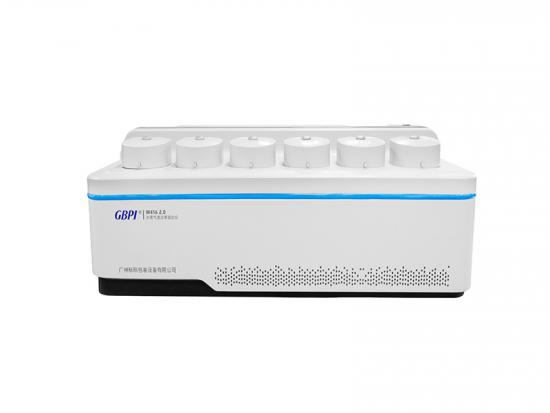
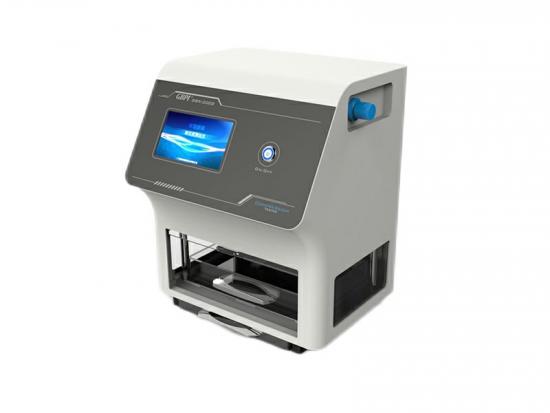
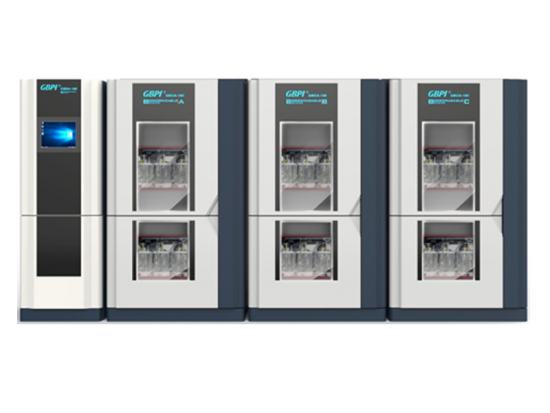
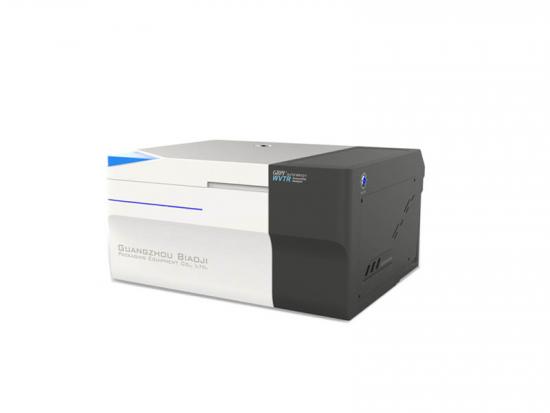
GBPI R&D latest packaging testing equipment for packaging industry.We develope latest Y110 and Y310 Oxygen Permeability Tester for packaging material Oxygen Transmission Rate Testing.


Comply to ASTM standard test methods include:


D3985 Standard Test Method for Oxygen Gas Transmission Rate Through Plastic Film and Sheeting Using a Coulometric Sensor

F1307 Standard Test Method for Oxygen Transmission Rate Through Dry Packages Using a Coulometric Sensor

F1927 Standard Test Method for Determination of Oxygen Gas Transmission Rate, Permeability and Permeance at Controlled Relative Humidity Through Barrier Materials Using a Coulometric Detector

F2622 Standard Test Method for Oxygen Gas Transmission Rate Through Plastic Film and Sheeting Using Various Sensors
Send A Message

Leave us a message, we will get back to you ASAP.

Related Products
COF tester GM-1 0-10N plastic film packaging coefficient of friction tester
The coefficient of friction tester is used to test the coefficient of frictionof plastic film, thin sheet, paper and so on, widely used in packaging industry, film-making companies and packaging material inspection agencies.
Paper and Cardboard Air Permeability Tester N600P Paper and Board Air Permeability Tester
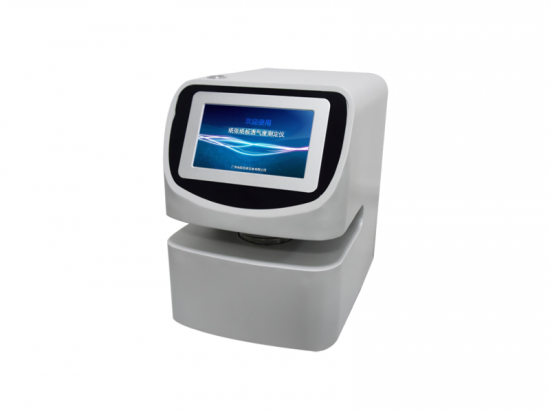
Paper Air Permeability Tester tests the air permeability, air permeability resistance of paper and cardboard. It adopts the testing principle of differential pressure method and combines Gurley method, Schauer method and Bengtsen method.
torque tester Packaging instruments drink beverage torque tester HP-100
Packaging instruments drink beverage torque tester is for testing the screwing locking strength and tightness, and unscrewing strength, of the caps of packaging bottles, tubes, spouts and so on.
migration testing in food packaging Migration Test Cell-MC-C
MC‑C Migration Test Cell: Professional Pre‑Treatment Solution for Food‑Contact Material Migration Test GBPI MC‑C Migration Test Cell for Food‑Contact Material Migration Pre‑Treatment Address: No.3 Linjiang Road, Xiagang Subdistrict, Huangpu District, GuangzhouTel: +86 15820231129 | Official Website: www.gbpitester.com Product Introduction MC‑C Migration Test Cell is suitable for pre‑treatment of migration tests for food‑contact materials and products. It meets the requirements of GB 5009.156‑2016 and applies to all non‑volatile food simulants specified in GB 31604.1‑2015, EN1186‑1 and other relevant standards. It provides standardized test conditions to support safety assessment for food‑contact specimens, widely adopted by third‑party laboratories, food packaging manufacturers and research institutes. Executive Standards To ensure test repeatability and global recognition, MC‑C Migration Test Cell conforms to both Chinese national standards and European normative requirements: GB 5009.156‑2016, GB 31604.1‑2015, GB/T 23296.1‑2009, EN1186‑1:2002, EN 13130‑1:2004. It satisfies migration pre‑treatment requirements for domestic inspection and EU export certification. Core Technical Parameters Contact Mode Single‑sided or Double‑sided contact Single‑sided Contact Area(Diameter) 51.5 cm² (Φ81 mm) Double‑sided Contact Area 103 cm² Volume 120 mL Operating Temperature 5℃~180℃ Overall Dimensions 143mm(L) × 125mm(W) × 76mm(H) Net Weight 1.2 kg Product Features • Complies with relevant standards, fully designed and manufactured according to Figure B.5 Migration Test Cell C in Appendix B of GB 5009.156‑2016 and Figure C.8 Migration Test Cell F in Appendix C of EN1186‑1:2002, ensuring consistency of migration test results. • Made of high‑quality stainless steel without trace substance precipitation. • Supports both single‑sided and double‑sided detection to reduce model‑selection trouble. Double‑sided contact is suitable for food‑contact materials such as instant‑noodle outer packaging and seasoning sachets. • Adopts high‑temperature resistant, corrosion‑resistant and self‑cleaning sealing ring to achieve excellent sealing performance, preventing leakage and volatilization of various simulants during testing. • Unique sealing structure ensures areas outside the test surface do not come into contact with food simulants, guaranteeing valid test area. • Suitable for migration test pre‑treatment of a wider range of materials. Application Fields It applies to migration test pre‑treatment of food‑contact materials and products exposed to food simulants including water, ethanol, acetic acid, vegetable oil, n‑hexane, n‑heptane and isooctane. Conclusion MC‑C Migration Test Cell is a standard‑compliant auxiliary device for food‑contact material safety testing. Supporting both single‑sided and double‑sided contact modes, it fits diverse packaging samples including instant‑noodle packages and seasoning bags. High‑quality stainless steel avoids trace substance release, and reliable sealing prevents simulant leakage and volatilization. It delivers repeatable migration pre‑treatment results for lab QC, third‑party testing institutes and packaging manufacturers. It is essential hardware for food‑contact material compliance assessment both for domestic market and European export business. Get Quotation for This Unit GBPI Packaging Test Equipment ManufacturerAddress: No.3 Linjiang Road, Xiagang Subdistrict, Huangpu District, Guangzhou, Guangdong, ChinaTel: +86 15820231129 | Official Website: www.gbpitester.com
laboratory product packaging Tensile Strength Measurement Device Polymer Laboratory Equipment Of Plastic Bags-GBH-2
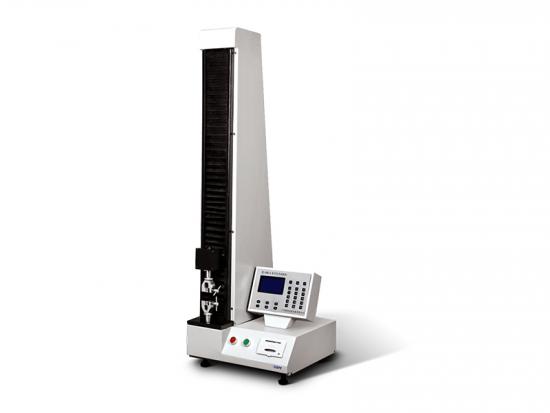
GBH-2 multifunctional single-column electronic tensile tester for plastics, films, fibers, rubber sheets, composite materials, tapes, soft packaging materials, paper, non-woven fabrics, medicine package materials, syringes, bottlescovers, rubber plugs and other packaging materials are tested for mechanical properties to meet the needs of different users.
DSC Tester DSC100A DSC Testing Lab Differential Scanning Calorimeter
High Precision DSC Differential Scanning Calorimeter Product Introduction This DSC is our highest-precision differential scanning calorimeter. It is equipped with imported thermocouple sensors featuring ultra-high sensitivity. The signal acquisition circuit adopts full shielding protection design, delivering strong anti-interference capability and excellent baseline stability. Adopting touch screen operation, this instrument can perform glass transition temperature test, phase transition analysis, melting enthalpy measurement, product stability evaluation and oxidation induction period test, covering a wide range of testing applications. Test Principle By measuring the heat flow difference between the sample and the reference material under programmed temperature control, the instrument analyzes thermal characteristic parameters such as melting point, glass transition temperature and oxidation resistance of polymer, pharmaceutical and packaging materials. Technical Parameters Temperature Range Room Temperature ~ 550 ℃ (Air Cooling) Temperature Resolution 0.01℃ Temperature Fluctuation ±0.1℃ Temperature Repeatability ±0.1℃ Heating Rate 0.1~100℃/min Constant Temperature Duration Programmable ≤ 24h Temperature Control Modes Heating, Constant Temperature DSC Heat Flow Range 0~±600mW DSC Resolution 0.01μW DSC Accuracy 0.001mW Power Supply AC 220V, 50Hz (Customizable) Atmosphere Control Gas Nitrogen, Oxygen (Automatic Instrument Switching) Gas Flow Rate 0-300ml/min Gas Pressure 0.2MPa Display Screen 7-inch 24-bit Color LCD Touch Screen Data Interface Standard USB Port Calibration Standard Comes with Indium & Tin Reference Materials for User Self Temperature Calibration PC Software Compatibility 3-in-1 Host Software, Compatible with TGA & Synchronous Thermal Analyzers Thermocouple Configuration 3 Groups of Thermocouples: Sample Temp, Furnace Temp, Internal Ambient Temp Technical Features
migration testing in food packaging Migration Test Cell-MC‑A
MC‑A Migration Test Cell: Professional Pre‑Treatment Solution for Food‑Contact Material Migration Test GBPI MC‑A Migration Test Cell for Food‑Contact Material Migration Pre‑Treatment Address: No.3 Linjiang Road, Xiagang Subdistrict, Huangpu District, GuangzhouTel: +86 15820231129 | Official Website: www.gbpitester.com Product Introduction MC‑A Migration Test Cell is designed for the pre‑treatment of migration tests for food‑contact materials and products. It complies with GB 5009.156‑2016 requirements and is applicable for food simulants defined in GB 31604.1‑2015, EN1186‑1 and other relevant standards. It provides standardized test conditions to support safety assessment for food‑contact films, sheets and flat‑shape specimens, widely adopted by third‑party laboratories, food packaging manufacturers and research institutes. Executive Standards To ensure test repeatability and global recognition, MC‑A Migration Test Cell conforms to both Chinese national standards and European normative requirements: GB 5009.156‑2016, GB 31604.1‑2015, GB/T 23296.1‑2009, EN 1186‑1:2002, EN 13130‑1:2004. It satisfies migration pre‑treatment requirements for domestic inspection and EU export certification. Core Technical Parameters Contact Type Single‑sided contact Contact Area 196 cm² Contact Diameter Φ158 mm Volume 390 mL Operating Temperature 5℃ ~ 180℃ Thermometer Measuring Range ‑20℃ ~ 300℃ Net Weight 6.9 kg Product Features • Manufactured strictly in accordance with Figure B.3 of Appendix B in GB 5009.156‑2016 for Migration Test Cell A, ensuring high consistency of migration test results among different laboratories. • Adopts high‑grade stainless steel material, no trace substance precipitation occurs during testing, avoiding interference to migration analysis data. • Thickened lead‑screw central compression sealing structure delivers reliable single‑sided sealing and prevents liquid permeation. • Special sealing construction isolates non‑test areas of samples from food simulants, securing valid and accurate contact test area. • Equipped with external temperature‑measuring unit, which can precisely capture real‑time temperature of food simulants in the whole pre‑treatment procedure. Application Fields It applies to migration test pre‑treatment for food‑contact materials and products in forms of films, plates and sample sheets. It supports migration pre‑treatment with non‑volatile food simulants including water, acid‑alkali solutions and vegetable oil for food‑contact articles, satisfying routine inspection, new‑material R&D and export compliance verification for food packaging industry. Conclusion MC‑A Migration Test Cell is a standard‑compliant auxiliary device for food‑contact material safety testing. With precise single‑sided contact structure, anti‑interference material and external real‑time temperature monitoring, it delivers repeatable migration pre‑treatment results for lab QC, third‑party testing institutes and packaging manufacturers. It is essential hardware for food‑contact material compliance assessment both for domestic market and European export business. Get Quotation for This Unit GBPI Packaging Test Equipment ManufacturerAddress: No.3 Linjiang Road, Xiagang Subdistrict, Huangpu District, Guangzhou, Guangdong, ChinaTel: +86 15820231129 | Official Website: www.gbpitester.com
Battery Diaphragm Gas Permeability Tester Battery Diaphragm Gas Permeability Tester N600E
  Professional Battery Diaphragm Test Equipment for lithium battery diaphragm air permeability, thickness & tensile strength testing. Stable performance for new energy battery manufacturing.
Professional Carbon Paper Air Permeability Rate Tester supplier Carbon Paper Air Permeability Rate Tester
Product Brief The N600C Carbon Paper Air Permeability Rate Tester is designed and developed in accordance with GB/T 20042.7-2014. Adopting the differential pressure method as its testing principle, it is professionally used for measuring the air permeability rate of various types of carbon paper for proton exchange membrane fuel cells (PEMFC). Testing Principle Based on the differential pressure method, the sample is placed between two fixtures, forming a constant differential pressure on both sides of the sample. Driven by the differential pressure, gas flows from the high-pressure side through the sample to the low-pressure side. The air permeability rate of the carbon paper is calculated based on the transmission flow rate, sample thickness, test area, and test differential pressure. Executed Standards GB/T 20042.7-2014 Technical Parameters Item Technical Parameters Test Range 0~200,000 mL·mm/(cm²·h·mmHg)0~14,701 mL·mm/(cm²·hr·mmAq) Resolution 0.1 mL·mm/(cm²·h·mmHg)0.1 mL·mm/(cm²·hr·mmAq) Pressure Range 0~500 Pa (other ranges available upon request) Pressure Resolution 0.1 Pa Pressure Accuracy 0.1% FS (Full Scale) Flow Range 0~50 L/min (other ranges available upon request) Flow Resolution 1 mL/min Flow Accuracy 1% FS (Full Scale) Test Area 16 cm² Instrument Dimensions 410 mm×295 mm×365 mm Power 100 W Power Supply 110~250 VAC, 50~60 Hz Product Features • The instrument's differential pressure is adjustable within the range of 0~500 Pa, with an accuracy of 0.1% FS, fully meeting the test pressure requirements of different samples;• The test range can be customized according to different sample requirements;• Arbitrary pressure adjustment, fully automatic operation, and automatic measurement and calculation of results;• Equipped with a color touch screen, no external computer required;• Built-in micro-printer for real-time printing of test reports;• The upper computer software is designed in accordance with the new GMP Appendix "Computerized Systems", supporting functions such as hierarchical permission management, audit trail, and electronic signature (optional).  
Ozone Aging Test Chamber Ozone Aging Test Chamber (Dynamic Stretching) GB-OCY-150M
1 Function Ozone in the atmosphere is very little, while it’s a major factor in rubber cracking, the product simulate and enhance atmospheric ozone condition to study the role of ozone on the rubber, and to rapid identificate and evaluate rubber resistance for ozone aging and anti-ozone agent protection. According to“GB / T7762-2003 Test Method for Static Tensile Test of Ozone Resistance Cured Rubber or Thermoplastic Rubber”,“GB / T2951.21-2008 General Test Method for Insulation and Sheathing Material of Cable”,“GB / T 11206-2009 Rubber Aging test surface cracking method”, and other relevant standards of the test method. 2.1 Structure  All-in-one machine 2.2 Material a) Inner chamber: SUS304 stainless steel plate b) External chamber: SUS304 stainless steel plate or baking finish. Insulation: rigid polyurethane foam + aluminum insulation cotton with double protection. 2.3 Machine door a) Single door, open from left. b) Window frame / door frame with two silicone rubber seal and anti-condensation heating device. c)With observation window (W220xH250mm), lights above the window and door.  2.4 Requirements for sample holder (for dynamic-type only)       a)At both ends of the sample to be fixed with a clamp under the required elongation, the longitudinal direction of the specimen shall be substantially parallel to the direction of air flow when in contact with ozonized air. b) Clamps shall be made of a material (eg aluminum) which does not readily decompose ozone. c) Allow the sample to rotate at a speed between (20 ^ -25) mm / s, in a plane perpendicular to the dry gas flow, with each sample moving continuously along the same path. d) The time of one revolution of the same specimen is (8 ^ -12) min. The scanning area of the specimen shall be at least 40% of the effective area of the test chamber. Specimen preparation shall conform to the provisions of GB / T 9865.1. The test specimen is preferably cut from the new test piece and, if desired, may be cut from the finished product. At least 3 specimens shall be required for per test condition. The standard length of the specimen is not less than 10mm, and thickness not less than 0.2mm. The length of specimen between the two ends of the clamp before drawing is not less than 40mm. 3 Control panel a) Controller display b) Power switch c) Fault alarm d)Wavelength switch e)light switch button 4 Enclosure configuration a) With a stainless steel SUS # 304 shelf turntable b) One φ50mm lead hole:, and with a hole cover and silicone rubber plug. c) Move casters 4 pcs d) Horizontal mounting brackets 4 pcs e) There is a drainage hole in the back of the machine to facilitate the drainage of condensate; (8mm in diameter) Three-phase five-wire cable (four-core cable + protective grounding wire) 1 pc, (three meters long).
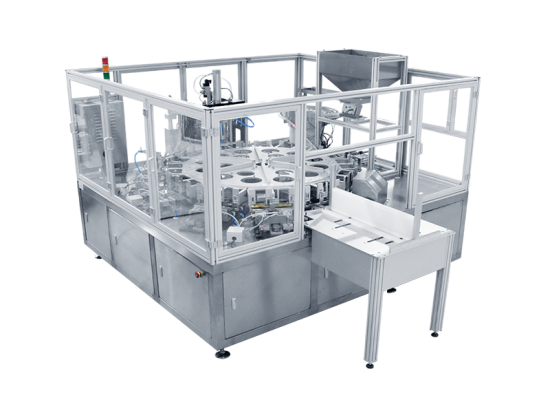
filling and sealing machine Automatic Rotary Pouch Spout inserting and Sealing Machine GF-1600H
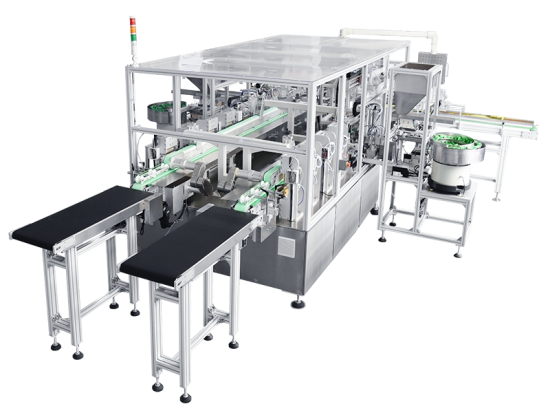
This sealing/filling/capping machine(Packaging Machine/Packaging Machinery)is applicable for Fruit Juice/Salt /Sanitizing Gel/Skin Care/Sugar Powder/Tomato Sauce/ Ketchup/ Detergents Soap Packing in form of top/corner spout pouch or top/corner spout stand up pouch, 3-side sealing bags, and doypacks.
Moisture permeation rate tester Water Vapor Permeability Analyzer For LDPE Film Gravimetric Method - W533
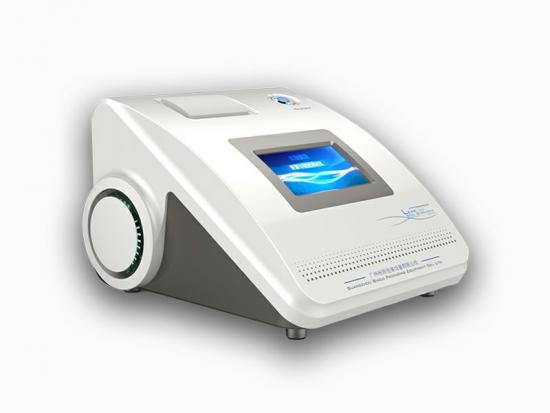
A533 water vapor permeability analyzer is to test the water vapor transmission rate (WVTR) of films or sheets materials.
  • Facebook
  • Linkedin
  • Youtube
  • Twitter

Copyright @ 2026 Guangzhou Biaoji Packaging Equipment Co.,Ltd. All Rights Reserved.

Chat now

Inquiry Now

Home

Products

NEWS

contact