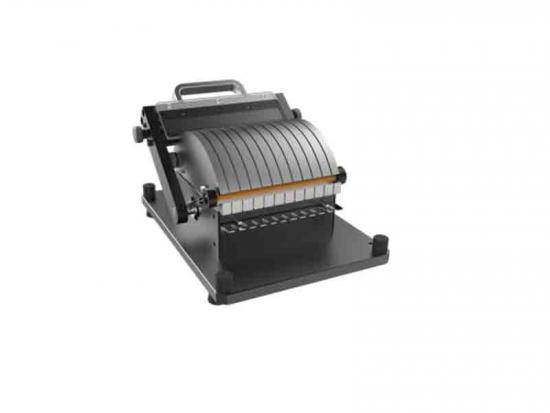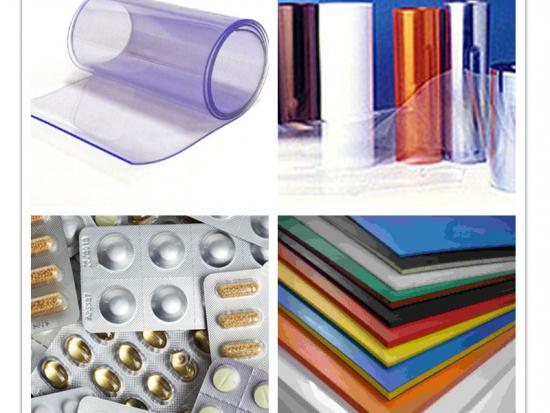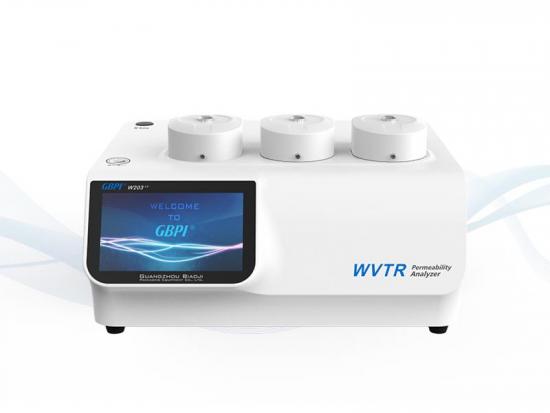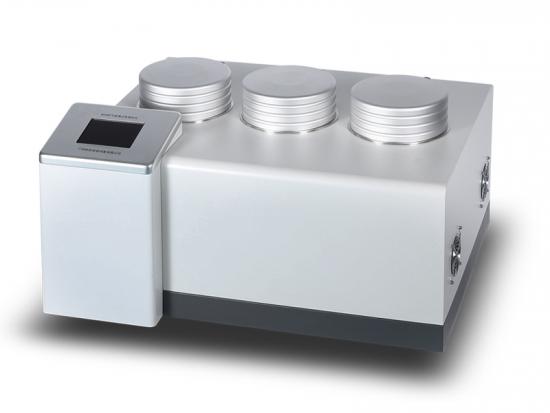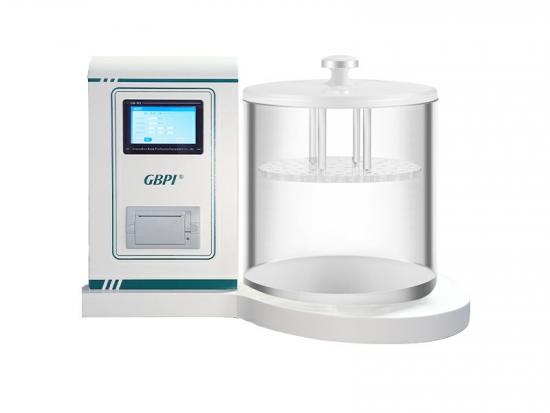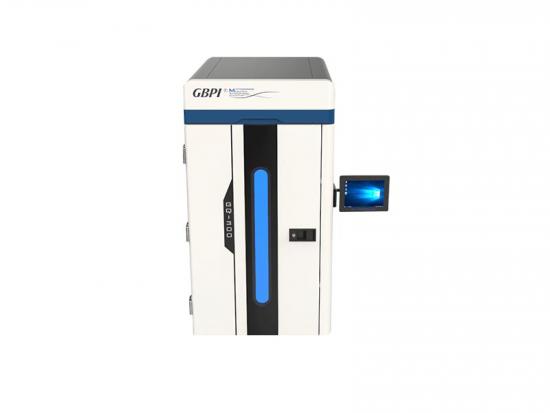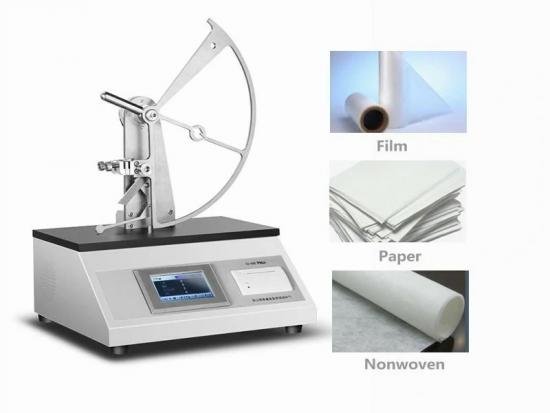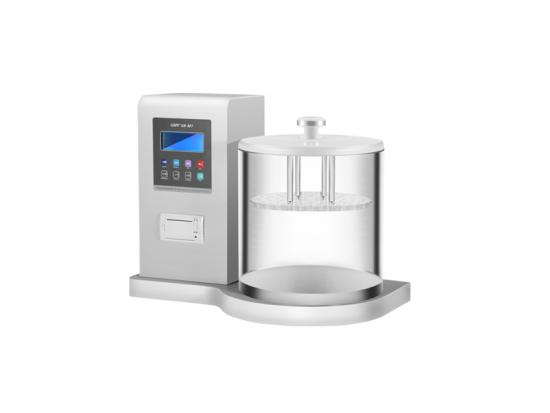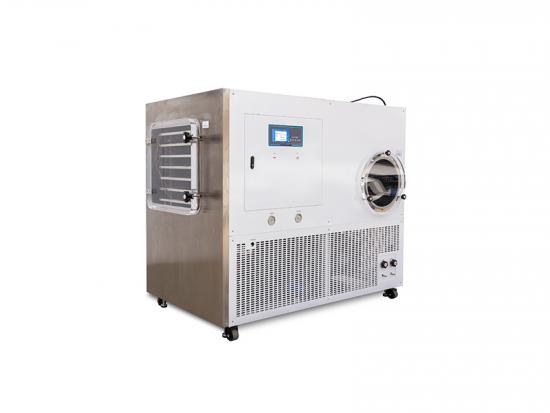
packaging testing equipment Water Vapor Permeation Tester
Products

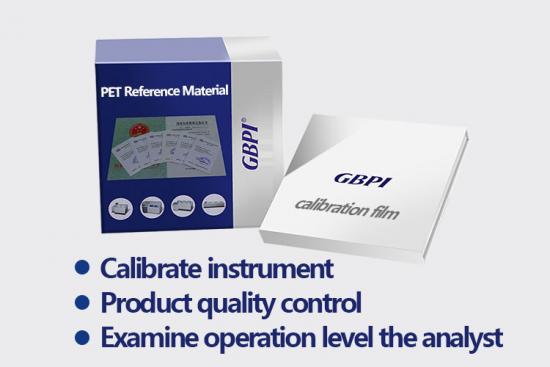
Polyester Reference Material

A substance or material that has been determined to have a sufficiently uniform property value, as a "measuring device" in the analytical measurement industry.

  • Brand:

    GBPI
Inquiry now Download
Product Detail

GBPI Certified Packaging Permeability Reference Materials

Overview

For a long time, there has been a gap in reference materials supporting packaging testing instruments across the industry. The National Metrology Development Plan (2013-2020) issued by the State Council identifies food safety, clinical laboratory testing, biology, environmental protection and material science as key R&D directions for reference materials.


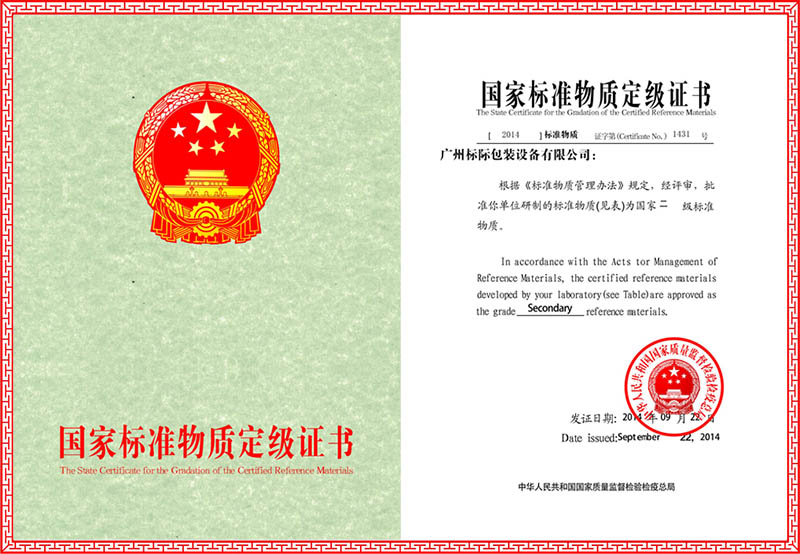
The gas permeability, water vapor permeability and oxygen permeability reference materials manufactured by GBPI have obtained Grade Secondary Certified Reference Material certification. GBPI is the first institution to develop film permeability reference materials in China. These reference materials are mainly used for calibration and verification of gas, water vapor and oxygen permeability testing equipment for food and pharmaceutical packaging. Reference materials play an irreplaceable critical role in packaging performance testing.

Definition

A substance or material that has been determined to have a sufficiently uniform property value, acting as a standard measuring gauge for analytical testing industries.


Core Functions

  • Calibrate, adjust and verify testing instruments and equipment
  • Carry out product quality control during mass production
  • Evaluate the operational proficiency of laboratory analysts
  • Measure characteristic performance values of raw materials and specimens

Applicable Scope of Reference Materials

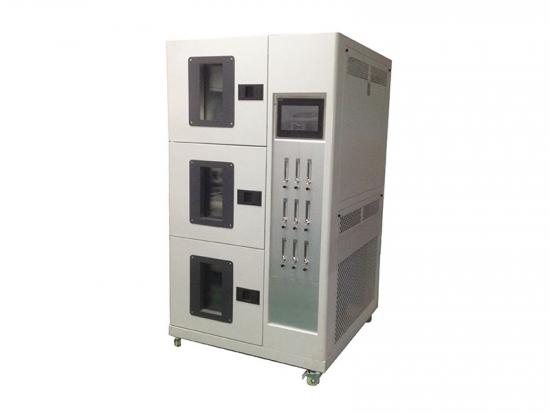
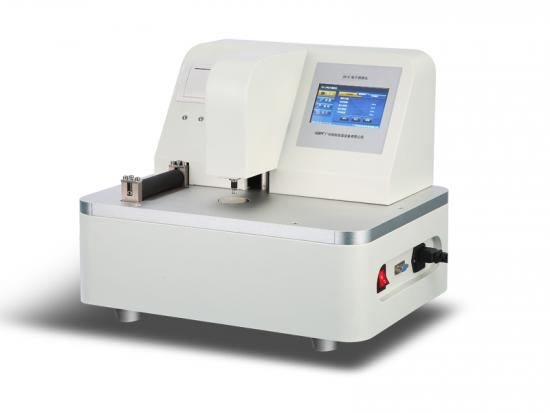
Note: Gas permeability reference materials fit all oxygen permeability testers adopting the pressure differential method; water vapor permeability reference materials are compatible with all water vapor permeability testers using the dish gravimetric method; oxygen permeability reference materials match all oxygen permeability analyzers equipped with coulometric sensor detection.

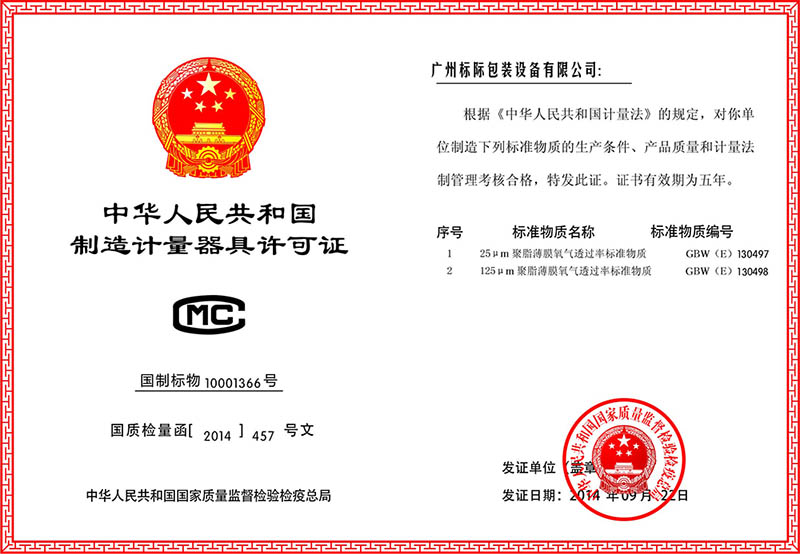
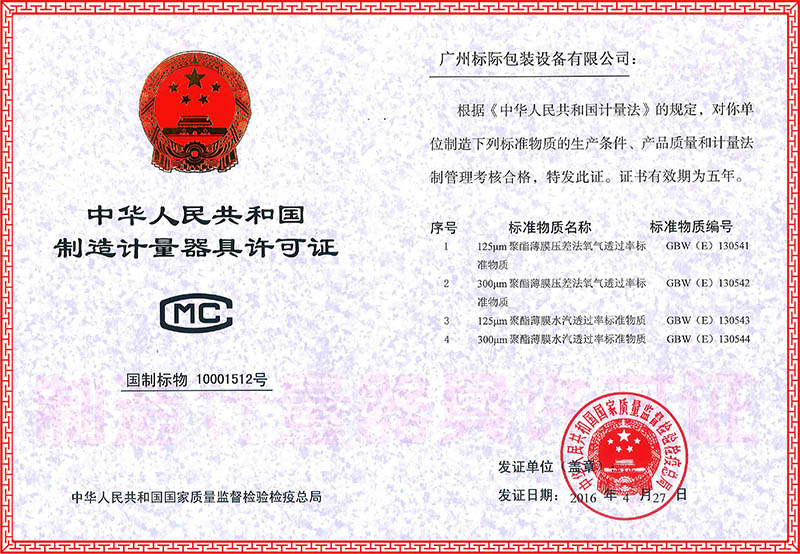
Official Qualification Certificates

The State Certificate for the Gradation of the Certified Reference Materials

State Grade Reference Material Certificate

Certificate for Oxygen Permeability

Oxygen Permeability Reference Material Certificate

Certificate for Gas Permeability and Water Vapor Permeability

Gas & WVTR Permeability Reference Material Certificate
Send A Message

Leave us a message, we will get back to you ASAP.

Related Products
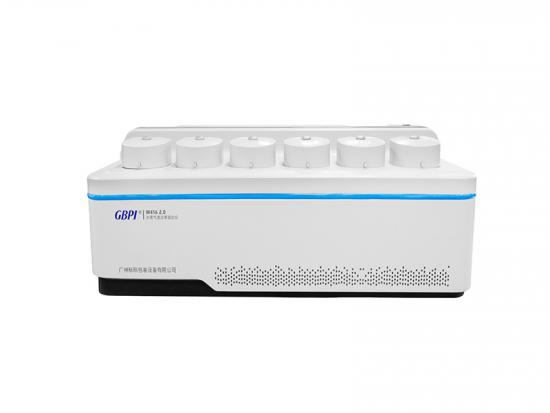
Professional high accuracy barrier film Electrolytic sensor method water vapor permeability analyzer-W203 2.0 supplier high accuracy barrier film Electrolytic sensor method water vapor permeability analyzer-W203 2.0
W203 2.0 Water Vapor Transmission Rate Tester Electrolytic Method | High Barrier Materials WVTR Testing Product Introduction W203 2.0 is developed based on the electrolytic test principle, designed and manufactured in accordance with GB/T 21529, ISO 15106-3 and other international standards. It tests water vapor transmission rate of samples under controlled temperature and humidity, widely used for high barrier materials in LCD, solar cells, chip packaging, pharmaceuticals, food and more. Get a Free Quote Today   Test Principle W203 2.0 adopts the electrolytic method. The pre-treated sample is fixed in the test chamber, separating it into wet and dry sides. Humidified nitrogen flows on one side of the film, while dry nitrogen (carrier gas) flows on the other side at a fixed rate. Due to humidity gradient, water vapor permeates from the wet side to the dry side, carried by dry nitrogen to the electrolytic sensor. The WVTR value is calculated from the electrical signal output by the sensor.   Compliant Standards 2025 Chinese Pharmacopoeia 4010 GB/T 21529-2008 ISO 15106-3 DIN 53122-2 YBB 00092003-2015 ASTM F3299 JIS K7129-3   Technical Specifications Item Value Test Range 0.001~40 g/(m²·24h) (Film & Sheet) Resolution 0.0001 g/(m²·24h) Temperature Range 15 ~ 45℃ Temperature Accuracy ±0.1℃ Humidity Range 5 ~ 90%RH Humidity Accuracy ±1%RH Test Area 50.24 cm² Sample Size Φ100 mm Test Chambers 3 channels (independent data)   Key Features High-sensitivity sensor for ultra-high barrier materials in electronics, photovoltaics, displays. Automatic pneumatic clamping system, one-key locking, excellent sealing. Precise temperature & humidity control: ±0.1℃, ±1%RH. 3 independent test chambers for high-throughput testing. 11.6-inch HD touch screen, real-time test curves display. Intelligent OS with audit trail, multi-level user rights, GMP compliant. Calibrated with national standard substances for accurate & authoritative data.   Applications Display MaterialsLCD sealant, SiNx passivation film, modified PET, etc. Chip PackagingFR-4, BT resin, PI substrate, ABF film, ceramic substrate. Solar MaterialsSolar backsheet, butyl film, ALD Al₂O₃, EVA/POE film. Packaging ComponentsPharmaceutical tubes, BFS bottles, infusion hoses, containers. Pharmaceutical & FoodUltra-high barrier films and packages for medical and food use.
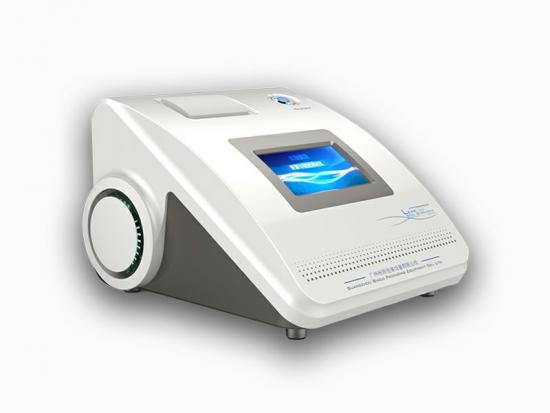
Gas permeation testing Laboratory Gas Permeability Testing Equipment
Product Introduction The N500A 2.0 Gas Permeability Tester is a high - precision experimental testing equipment that integrates machinery, electronics, and software. It is suitable for testing the gas barrier properties of plastic films, composite films, sheets, metal foils, etc., as well as the gas permeability testing of packaging containers such as plastic, rubber, paper - based bottles, bags, cans, and boxes.  
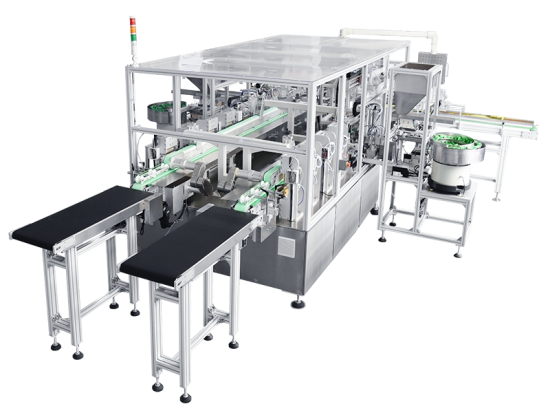
spout insert and sealing machine Three-station Rotary Mode Spout Sealing Machine (Three-station)
Product introduction The automatic three-station rotary mode spout sealing machine is specially designed for automatic sleeving and heat sealing of straws and bags. It is suitable for straws of various calibers, lengths and models, and is the preferred automated equipment for spouted stand-up pouches in beverage packaging, drinkable jelly, condiments, and daily chemical products (laundry detergent, skin care products, etc.). It can be customized to connect with filling production lines.
Tensile Tester GBL-L2 Plastic Film Tensile Tester
The GBL-L2 popular single-column electronic tensile tester is suitable for tensile, peeling, heat-sealing, tearing and other mechanical performance tests of various metal and non-metal materials. It meets the requirements of the national technical supervision department for test technology. It is widely used in plastic film, food, and pharmaceutical manufacturers to test products quality control and testing institutions, scientific research and teaching experiments in university.
Ozone Aging Test Chamber Ozone Aging Test Chamber (Dynamic Stretching) GB-OCY-150M
1 Function Ozone in the atmosphere is very little, while it’s a major factor in rubber cracking, the product simulate and enhance atmospheric ozone condition to study the role of ozone on the rubber, and to rapid identificate and evaluate rubber resistance for ozone aging and anti-ozone agent protection. According to“GB / T7762-2003 Test Method for Static Tensile Test of Ozone Resistance Cured Rubber or Thermoplastic Rubber”,“GB / T2951.21-2008 General Test Method for Insulation and Sheathing Material of Cable”,“GB / T 11206-2009 Rubber Aging test surface cracking method”, and other relevant standards of the test method. 2.1 Structure  All-in-one machine 2.2 Material a) Inner chamber: SUS304 stainless steel plate b) External chamber: SUS304 stainless steel plate or baking finish. Insulation: rigid polyurethane foam + aluminum insulation cotton with double protection. 2.3 Machine door a) Single door, open from left. b) Window frame / door frame with two silicone rubber seal and anti-condensation heating device. c)With observation window (W220xH250mm), lights above the window and door.  2.4 Requirements for sample holder (for dynamic-type only)       a)At both ends of the sample to be fixed with a clamp under the required elongation, the longitudinal direction of the specimen shall be substantially parallel to the direction of air flow when in contact with ozonized air. b) Clamps shall be made of a material (eg aluminum) which does not readily decompose ozone. c) Allow the sample to rotate at a speed between (20 ^ -25) mm / s, in a plane perpendicular to the dry gas flow, with each sample moving continuously along the same path. d) The time of one revolution of the same specimen is (8 ^ -12) min. The scanning area of the specimen shall be at least 40% of the effective area of the test chamber. Specimen preparation shall conform to the provisions of GB / T 9865.1. The test specimen is preferably cut from the new test piece and, if desired, may be cut from the finished product. At least 3 specimens shall be required for per test condition. The standard length of the specimen is not less than 10mm, and thickness not less than 0.2mm. The length of specimen between the two ends of the clamp before drawing is not less than 40mm. 3 Control panel a) Controller display b) Power switch c) Fault alarm d)Wavelength switch e)light switch button 4 Enclosure configuration a) With a stainless steel SUS # 304 shelf turntable b) One φ50mm lead hole:, and with a hole cover and silicone rubber plug. c) Move casters 4 pcs d) Horizontal mounting brackets 4 pcs e) There is a drainage hole in the back of the machine to facilitate the drainage of condensate; (8mm in diameter) Three-phase five-wire cable (four-core cable + protective grounding wire) 1 pc, (three meters long).
UV lamp aging test chamber UV lamp aging test chamber GB-OUVA-115
Accelerated weathering tests are performed on materials by simulating ultraviolet radiation and condensation in natural sunlight to obtain results on material weathering resistance. It can simulate environmental conditions such as ultraviolet, rain, high temperature, high humidity, condensation, and darkness in natural climates. By reproducing these conditions, it can be combined into a cycle and allowed to automatically complete the cycle as required.
COF tester GM-4 Coefficient of Friction Tester
  The coefficient of friction tester GM-4 is a measuring instrument developed and manufactured by the Guangzhou Biaoji R&D team based on various test standards of GB, ISO, ASTM and market demand. The measured friction coefficient determines the smoothness and opening difficulty of the film. and uniformity can be accurately determined, so as to correctly guide the production. It is suitable for measuring the static friction coefficient, dynamic friction coefficient and peel strength of plastic films, composite films, aluminum foils, aluminized films, plates, rubber, ceramics and other materials when sliding.        
Bacterial Filtration Efficiency Mask Bacterial Filtration Efficiency (BFE) Tester - GB-XF1000
It is used to test the percentage of materials containing bacteria suspended particles at the specified flow rate.
Vacuum Decay Leak Detection Tester Dual Pressure Methods Vacuum Decay Leak Detection Tester AUTO GBM-L2
AUTO GBM‑L2 Dual‑Pressure Micro‑Leak Seal Tester: Micro‑Leakage Detection for Pharmaceutical & Food Packaging GBPI AUTO GBM‑L2 Dual‑Pressure Micro‑Leak Seal Tester for Packaging Micro‑Leak Detection Product Introduction AUTO GBM‑L2 Dual‑Pressure Methods Vacuum Decay Leak Detection Tester adopts the test principle of vacuum decay method/pressure decay to detect micro‑leakage of finished packaging. It can be applied to packaging systems composed of vials, ampoules, pre‑filled syringes, eye drop bottles, HDPE bottles, infusion bottles/bags and other pharmaceutical packaging, food packaging, and chemical industry packaging. Testing Principle The host is connected to a sealed test chamber customized according to the sample. When performing the vacuum decay method test, the instrument evacuates the test chamber, and a pressure difference is formed inside and outside the sample. Under the action of the pressure, the gas/liquid in the sample enters the test chamber through the leak hole. The main engine uses the absolute pressure sensor and the differential pressure sensor to monitor the pressure change in the chamber to judge whether the sample leaks. When performing the pressure decay method test, the instrument fills the test chamber with a predetermined air pressure, and the gas in the test chamber enters the sample through the leak hole. The host uses absolute pressure sensors and differential pressure sensors to monitor the pressure changes in the chamber to determine whether the sample is leaking. Executive Standards ASTM F2338‑2009(2013), YY‑T 0681.18‑2020, USP<1207.2>, ASTM F2095, supporting leakage verification for global pharmaceutical and food packaging regulatory requirements. Core Technical Parameters Absolute Pressure Testing Range (0‑300) kPa Differential Pressure Testing Range (-2‑2) kPa Detection Sensitivity 1‑3 μm Balancing / Testing Time 1‑3600 s Vacuum Purge Time 1‑3600 s Set Flow Rate 0‑3 mL/min Testing System Dual Sensor Technology / Dual Cycle Testing Testing Chamber Customized according to the sample Applicable Products Vials, Ampoules, Prefilled Syringes, Infusion Bottles/Bags, etc. Detection Principle Vacuum Decay Method / Pressure Decay Method Dimensions of the Main Unit 495 mm*455 mm*280 mm Ambient Temperature 20℃‑25℃ Relative Humidity 40%‑60% Working Power Supply AC 220V, 50HZ Product Features • Dual‑Pressure Methods, to help solve testing difficulties. The double combination of vacuum decay method and pressure decay method solves the problem of easy misjudgment and false negative for freeze‑dried powder injections containing vacuum in the bottle using a single vacuum decay method. Based on dual‑sensor and dual‑circulation system technology, high‑quality absolute pressure sensor and differential pressure sensor, with an accuracy of 0.1% FS, can effectively detect large and small leaks, accurately calculate the leak hole diameter, and give a pass or fail judgment. • Low detection sensitivity and good test repeatability. For rigid samples, the detection sensitivity is as low as 1 μm, and the test repeatability is as low as 0.8%. The instrument has stable performance, low noise and good repeatability. • Imported brand accessories, excellent performance. Imported brand vacuum pump, pumping rate up to 3 L/s, noise as low as 50 DB, high ultimate vacuum, convenient oil level detection and replacement. The imported gas mass flow controller can simulate micro‑leaks arbitrarily, with a resolution of 0.001 mL/min, which provides a reliable guarantee for the method verification of instrument sensitivity. • Large‑size touch screen, intelligent operation. Color 7‑inch touch screen, clear view, sensitive touch, easy to operate. Equipped with a micro‑printer, USB data interface, and supports PC software measurement and control operation. The test software is designed according to the GMP appendix "Computerized System". It has an audit trail function and multi‑level authority settings for users, which can meet the needs of the pharmaceutical industry for data traceability. • Personalized customization to meet the needs of different samples. For different test samples, it supports customization of suitable test chambers to meet the needs of different tests. For the same type of samples, it supports customized nesting mode, which can realize the sharing of a test chamber for samples of various specifications. Application Fields Freeze‑dried powder injection Injection Prefill needle Eye drops Plastic Ampoule BFS Infusion bags Factory Configuration Standard Host machine, vacuum pump, test chamber and 3 sets of yin and yang control (customized as required), 11‑inch touch panel, professional software (GMP) Optional Imported gas flow meters, air compressors, printers, calibration certificates Conclusion AUTO GBM‑L2 dual‑pressure micro‑leak seal tester combines vacuum‑decay and pressure‑decay technology, solving false‑negative defects existing in single‑mode leak detection for vacuum‑containing pharmaceutical containers. With imported core components, audit‑trail data function and customizable test chamber, it is ideal micro‑leakage inspection equipment for pharmaceutical factories, third‑party testing laboratories and R&D institutions for parenteral preparation packaging quality control. Get Quotation for This Unit GBPI Packaging Test Equipment ManufacturerAddress: No.3 Linjiang Road, Xiagang Subdistrict, Huangpu District, Guangzhou, Guangdong, ChinaTel: +86 15820231129 | Official Website: www.gbpitester.com
migration testing in food packaging Migration Test Cell-MC-C1
MC‑C1 Migration Test Cell: Professional Pre‑Treatment Solution for Food‑Contact Material Migration Test GBPI MC‑C1 Migration Test Cell for Food‑Contact Material Migration Pre‑Treatment Address: No.3 Linjiang Road, Xiagang Subdistrict, Huangpu District, GuangzhouTel: +86 15820231129 | Official Website: www.gbpitester.com Product Introduction MC‑C1 Migration Test Cell is suitable for pre‑treatment of migration tests for food‑contact materials and products. It is applicable to all non‑volatile food simulants specified in GB 31604.1‑2015, EN1186‑1, EN13130‑1:2004 and other relevant standards. It provides standardized test conditions to support safety assessment for food‑contact flat specimens, widely adopted by third‑party laboratories, food packaging manufacturers and research institutes. Executive Standards To ensure test repeatability and global recognition, MC‑C1 Migration Test Cell conforms to both Chinese national standards and European normative requirements: GB 5009.156‑2016, GB 31604.1‑2015, GB/T 23296.1‑2009, EN1186‑1:2002, EN 13130‑1:2004. It satisfies migration pre‑treatment requirements for domestic inspection and EU export certification. Core Technical Parameters Contact Mode Single‑sided or Double‑sided contact Single‑sided Contact Area(Diameter) 100 cm² (Φ112.8 mm) Double‑sided Contact Area 200 cm² Volume 200 mL Operating Temperature 5℃~180℃ Overall Dimensions 175mm(L) × 140mm(W) × 63mm(H) Net Weight 2.3 kg Product Features • Complies with relevant standards, fully designed and manufactured according to Migration Cell C in Appendix C of EN1186‑1:2002 and Migration Test Cell C in Appendix D of EN13130‑1:2004, ensuring consistency of migration test results. • Supports both single‑sided and double‑sided detection to reduce model‑selection trouble. Double‑sided contact is suitable for food‑contact materials such as instant‑noodle outer packaging and seasoning sachets. • Adopts high‑temperature resistant, corrosion‑resistant and self‑cleaning sealing ring to achieve excellent sealing performance, preventing leakage and volatilization of various simulants during testing. • Unique sealing structure ensures areas outside the test surface do not come into contact with food simulants, guaranteeing valid test area. • Suitable for migration test pre‑treatment of a wider range of materials. Application Fields It applies to migration test pre‑treatment of sheet‑shaped food‑contact materials and products for single‑sided exposure to food simulants including water, ethanol, acetic acid, vegetable oil, n‑hexane, n‑heptane and isooctane. Conclusion MC‑C1 Migration Test Cell is a standard‑compliant auxiliary device for food‑contact material safety testing. Supporting both single‑sided and double‑sided contact modes, it fits diverse packaging samples including instant‑noodle packages and seasoning bags. Reliable sealing avoids simulant leakage and volatilization. It delivers repeatable migration pre‑treatment results for lab QC, third‑party testing institutes and packaging manufacturers. It is essential hardware for food‑contact material compliance assessment both for domestic market and European export business. Get Quotation for This Unit GBPI Packaging Test Equipment ManufacturerAddress: No.3 Linjiang Road, Xiagang Subdistrict, Huangpu District, Guangzhou, Guangdong, ChinaTel: +86 15820231129 | Official Website: www.gbpitester.com
migration testing in food packaging Migration Test Cell-MC-C
MC‑C Migration Test Cell: Professional Pre‑Treatment Solution for Food‑Contact Material Migration Test GBPI MC‑C Migration Test Cell for Food‑Contact Material Migration Pre‑Treatment Address: No.3 Linjiang Road, Xiagang Subdistrict, Huangpu District, GuangzhouTel: +86 15820231129 | Official Website: www.gbpitester.com Product Introduction MC‑C Migration Test Cell is suitable for pre‑treatment of migration tests for food‑contact materials and products. It meets the requirements of GB 5009.156‑2016 and applies to all non‑volatile food simulants specified in GB 31604.1‑2015, EN1186‑1 and other relevant standards. It provides standardized test conditions to support safety assessment for food‑contact specimens, widely adopted by third‑party laboratories, food packaging manufacturers and research institutes. Executive Standards To ensure test repeatability and global recognition, MC‑C Migration Test Cell conforms to both Chinese national standards and European normative requirements: GB 5009.156‑2016, GB 31604.1‑2015, GB/T 23296.1‑2009, EN1186‑1:2002, EN 13130‑1:2004. It satisfies migration pre‑treatment requirements for domestic inspection and EU export certification. Core Technical Parameters Contact Mode Single‑sided or Double‑sided contact Single‑sided Contact Area(Diameter) 51.5 cm² (Φ81 mm) Double‑sided Contact Area 103 cm² Volume 120 mL Operating Temperature 5℃~180℃ Overall Dimensions 143mm(L) × 125mm(W) × 76mm(H) Net Weight 1.2 kg Product Features • Complies with relevant standards, fully designed and manufactured according to Figure B.5 Migration Test Cell C in Appendix B of GB 5009.156‑2016 and Figure C.8 Migration Test Cell F in Appendix C of EN1186‑1:2002, ensuring consistency of migration test results. • Made of high‑quality stainless steel without trace substance precipitation. • Supports both single‑sided and double‑sided detection to reduce model‑selection trouble. Double‑sided contact is suitable for food‑contact materials such as instant‑noodle outer packaging and seasoning sachets. • Adopts high‑temperature resistant, corrosion‑resistant and self‑cleaning sealing ring to achieve excellent sealing performance, preventing leakage and volatilization of various simulants during testing. • Unique sealing structure ensures areas outside the test surface do not come into contact with food simulants, guaranteeing valid test area. • Suitable for migration test pre‑treatment of a wider range of materials. Application Fields It applies to migration test pre‑treatment of food‑contact materials and products exposed to food simulants including water, ethanol, acetic acid, vegetable oil, n‑hexane, n‑heptane and isooctane. Conclusion MC‑C Migration Test Cell is a standard‑compliant auxiliary device for food‑contact material safety testing. Supporting both single‑sided and double‑sided contact modes, it fits diverse packaging samples including instant‑noodle packages and seasoning bags. High‑quality stainless steel avoids trace substance release, and reliable sealing prevents simulant leakage and volatilization. It delivers repeatable migration pre‑treatment results for lab QC, third‑party testing institutes and packaging manufacturers. It is essential hardware for food‑contact material compliance assessment both for domestic market and European export business. Get Quotation for This Unit GBPI Packaging Test Equipment ManufacturerAddress: No.3 Linjiang Road, Xiagang Subdistrict, Huangpu District, Guangzhou, Guangdong, ChinaTel: +86 15820231129 | Official Website: www.gbpitester.com
OTR Tester EVOH Barrier film oxygen transmission rate testing
Oxygen transmission rate (OTR) is the measurement of the amount of oxygen gas that passes through a substance over a given period. It is mostly carried out on non-porous materials, where the mode of transport is diffusion, but there are a growing number of applications where the transmission rate also depends on flow through apertures of some description.
  • Facebook
  • Linkedin
  • Youtube
  • Twitter

Copyright @ 2026 Guangzhou Biaoji Packaging Equipment Co.,Ltd. All Rights Reserved.

Chat now

Inquiry Now

Home

Products

NEWS

contact