packaging testing equipment Water Vapor Permeation Tester
Products
Home /

Physical Property Test Equipment

/

Inverted Pressure Sterilized Boiler

/ZM-100 inverted pressure sterilized boiler

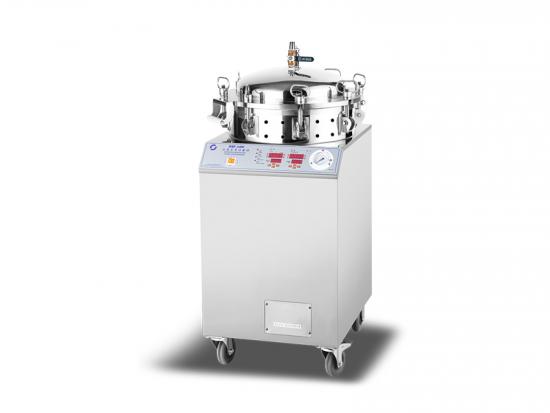
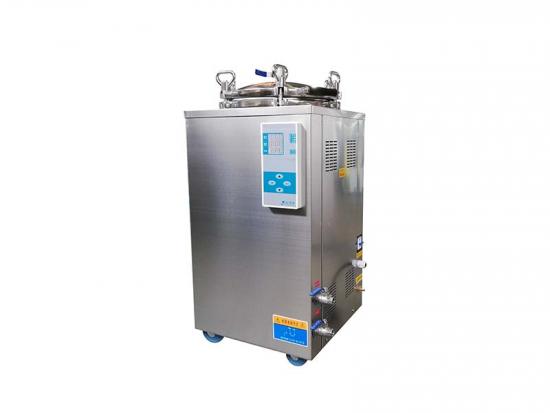
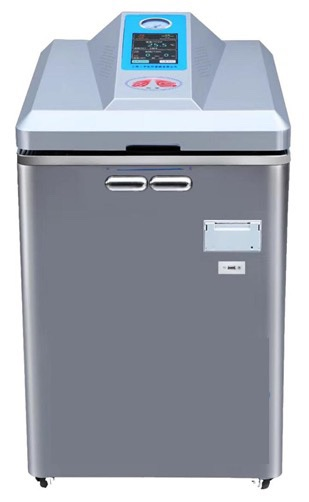
ZM-100 inverted pressure sterilized boiler

ZM-100 Inverted pressure sterilizer boiler is used for sterilization and high temperature test of packaging materials (including adhesives and printing ink) in the industries of packaging, plastic films, food, medical units, inspection agency, research institute etc.


  • Brand:

    GBPI
  • Item NO.:

    ZM-100
  • Payment:

    100%TT
  • Product Origin:

    China
  • Shipping Port:

    Guangzhou
  • Lead Time:

    30days
Inquiry now Download
Product Detail

ZM-100 Inverted Pressure Sterilizer Boiler

I. Function & Application:

ZM-100 Inverted pressuresterilizer boileris used for sterilization and high temperature test of packaging materials (including adhesives and printing ink) in the industries of packaging, plastic films, food, medical units, inspection agency, research institute etc. 


II. Standards

GB 150.1-2011, GB/T 10004-2008, GB 4793.4-2001, YY1007-2005.


III. Specifications


Item

Technical Parameters

Disinfection bucket specification

φ400mm,H 500mm

External Specifications

600×500×1150mm

Storage bucket volume

50L

work pressure

0~0.22Mpa(Saturated vapor pressure)

self-control pressure

0.23MPa

Water pressure

≥0.32 Mpa

Back pressure

0.14~0.165 Mpa

Sterilization temperature

100~135℃

Time setting range

1min(分钟)~ 99.59min(分钟)

Working power

AC220V  50Hz

Power

4.5kw±10%

Weight

85Kg


IV.Working principle

Counter-pressure method: During the cooling process after sterilization of tested items (bags), the temperature inside the bag remains higher than outside the bag in the tank, and this can cause pressure difference and make the bag burst. To prevent the bursting, we can inject balancing pressure (counter-pressure) air during the cooling process to keep pressure in the tank and eliminate the pressure difference while temperature decreases gradually.


V.Features

1.Automatic rising temperature, automatic keeping temperature, automatic timing;

2.Inverted Pressure Sterilized function;

3.Unique chamber design can thoroughly sterilize items; Counter-pressure method can prevent sample bags from wrinkling or breaking.

4.Water shower cooling and air cooling, with high efficiency and good effect, fast heating and cooling.

5.Control of water level, time and temperature; multiple safety protection against water shortage and over temperature, and auto power off.

6.Five grades of safe measures, efficient and reliable.


Send A Message

Leave us a message, we will get back to you ASAP.

Related Products
medical sterilized boiler Vertical Counter‑Pressure Retort LS‑35L/50L/75L/100L | Dual‑Mode Sterilization for Food Packaging Aseptic Testing
Vertical Counter‑Pressure Retort LS‑35L/50L/75L/100L | Dual‑Mode Sterilization for Food Packaging Aseptic Testing LS‑series Vertical Counter‑Pressure Retort for Food Packaging Sterilization & Laboratory Aseptic Validation Product Introduction Reliable dual‑mode counter‑pressure sterilizer tailored for food packaging quality control & lab aseptic evaluation. The vertical counter‑pressure retort is a medium‑small‑size mechanically program‑controlled counter‑pressure sterilization equipment. The sterilizer adopts electric heating mode. Water is directly injected into the sterilizing chamber and heated to generate high‑pressure steam required for sterilization to disinfect articles. After sterilization is completed, external compressed air and water pressure are applied for rapid cooling within 3 minutes, cooling internal articles down to 30‑40℃. Equipped with program control, it supports two operation modes: boiling disinfection and pressure sterilization with rapid cooling. Boiling temperature can be set ≤100℃. The rapid‑cooling pressure sterilization temperature is pre‑selectable within 101℃‑135℃. It is integrated with heater overload protection and buzzer alarm upon sterilization completion. Featuring simple operation and high safety reliability. This unit is suitable for disinfection and sterilization of food packaging, utensils and instruments. It is an ideal device especially for aseptic tests in food research institutions. Working Principle Dual‑sterilization logic enables boiling disinfection & high‑pressure counter‑pressure sterilization, simulating real‑world thermal processing conditions for flexible packaging samples. This equipment is designed with two disinfection & sterilization principles to deliver dual‑function performance for customers. The heater directly heats water to produce pressurized steam. The pressurized steam acts on microorganisms on samples and destroys their structures to realize sterilization. When rapid‑cooling sterilization program starts, 6 liters of tap water is first injected into the chamber. After around 25‑minute heating process, it enters sterilization holding stage with sterilization duration of 35‑40 minutes. When sterilization finishes, 0.24 MPa compressed air and tap‑water pressure are manually fed into the chamber, then half‑open the drain valve to discharge water and implement counter‑pressure cooling for flexible packages and other specimens. Rapid cooling lasts for 3 minutes. Manually cut‑off compressed air and tap‑water supply, and internal articles can be cooled down to 30‑40℃. Core Advantages Dual‑mode operation: boiling disinfection & counter‑pressure pressure sterilization Ultra‑fast 3‑minute counter‑pressure cooling to avoid flexible pouch deformation Heater overload protection & buzzer alarm when sterilization cycle completes Multiple chamber volume options:35L‑50L‑75L‑100L for different test throughput Mechanical program control, easy operation for laboratory staff Technical Parameters Item Specifications Max Working Pressure 0.22 MPa (30 Psi) Max Working Temperature 135℃ Sterilization Temperature Selection 101‑135℃ Boiling Temperature Selection ≤100℃ Timer Range 1‑60 min Effective Chamber Volume 35L, 50L, 75L, 100L Power / Power Supply 2.5 KW / AC220V, 50Hz; 3 KW / AC220V, 50Hz; 4.5 KW / AC220V, 50Hz Overall Dimension 570×550×970 mm(35L);590×590×1110 mm(50L);650×630×1150 mm(75L);680×650×1220 mm(100L) Gross / Net Weight 56/42 kg(35L); 68/50 kg(50L); 90/70 kg(75L); 105/85 kg(100L) Application Scenarios Widely adopted in food R&D laboratories, packaging manufacturers and quality inspection institutes for sterilization and thermal‑resistance assessment of flexible food packaging materials. Disinfection & sterilization for food flexible packaging, containers and lab utensils Aseptic test and thermal resistance evaluation for food packaging samples Sterilization for laboratory instruments and small‑batch food test specimens Get Custom Solution & Quotation GBPI Packaging Test EquipmentOfficial Website: www.gbpitester.com
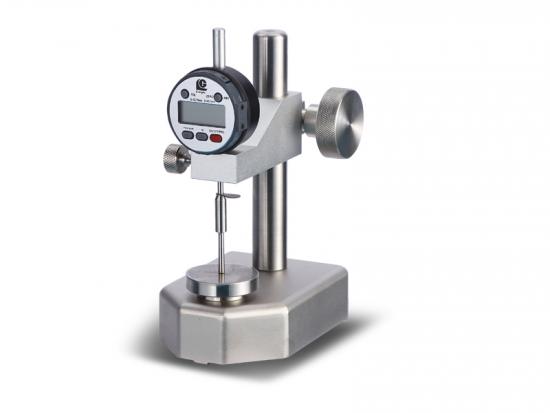
Thickness Tester Plastic Film Digital Thickness Tester
Didital thickness tester is used to make thickness measuring or comparative measuring of plastic film, thin sheet, paper and so on.
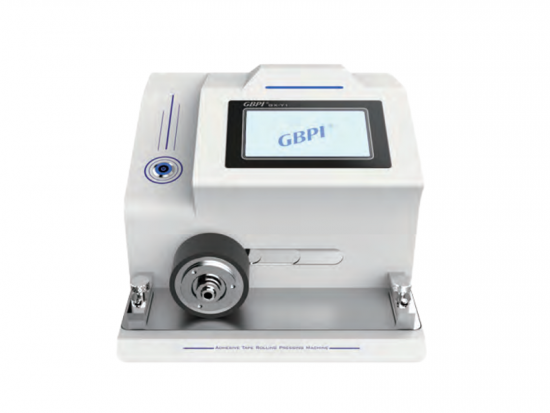
Adhesive Tape Roller Pressing Machine Plastic Film Adhesive Tape Rolling Pressing Machine
The Adhesive Tape Roller GX-Y2 is suitable for plastic film and cellophane decorative prints (including composite film prints) produced by gravure printing process. It is also used to test the adhesion state of the surface layer formed by vacuum coating, surface coating, compounding and other related processes.
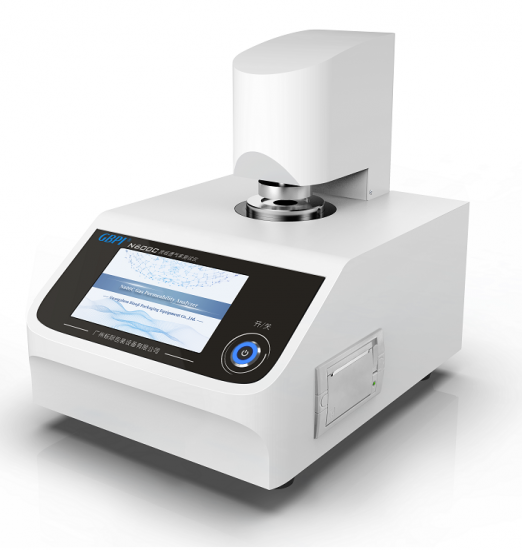
Professional Carbon Paper Air Permeability Rate Tester supplier Carbon Paper Air Permeability Rate Tester
Product Brief The N600C Carbon Paper Air Permeability Rate Tester is designed and developed in accordance with GB/T 20042.7-2014. Adopting the differential pressure method as its testing principle, it is professionally used for measuring the air permeability rate of various types of carbon paper for proton exchange membrane fuel cells (PEMFC). Testing Principle Based on the differential pressure method, the sample is placed between two fixtures, forming a constant differential pressure on both sides of the sample. Driven by the differential pressure, gas flows from the high-pressure side through the sample to the low-pressure side. The air permeability rate of the carbon paper is calculated based on the transmission flow rate, sample thickness, test area, and test differential pressure. Executed Standards GB/T 20042.7-2014 Technical Parameters Item Technical Parameters Test Range 0~200,000 mL·mm/(cm²·h·mmHg)0~14,701 mL·mm/(cm²·hr·mmAq) Resolution 0.1 mL·mm/(cm²·h·mmHg)0.1 mL·mm/(cm²·hr·mmAq) Pressure Range 0~500 Pa (other ranges available upon request) Pressure Resolution 0.1 Pa Pressure Accuracy 0.1% FS (Full Scale) Flow Range 0~50 L/min (other ranges available upon request) Flow Resolution 1 mL/min Flow Accuracy 1% FS (Full Scale) Test Area 16 cm² Instrument Dimensions 410 mm×295 mm×365 mm Power 100 W Power Supply 110~250 VAC, 50~60 Hz Product Features • The instrument's differential pressure is adjustable within the range of 0~500 Pa, with an accuracy of 0.1% FS, fully meeting the test pressure requirements of different samples;• The test range can be customized according to different sample requirements;• Arbitrary pressure adjustment, fully automatic operation, and automatic measurement and calculation of results;• Equipped with a color touch screen, no external computer required;• Built-in micro-printer for real-time printing of test reports;• The upper computer software is designed in accordance with the new GMP Appendix "Computerized Systems", supporting functions such as hierarchical permission management, audit trail, and electronic signature (optional).  
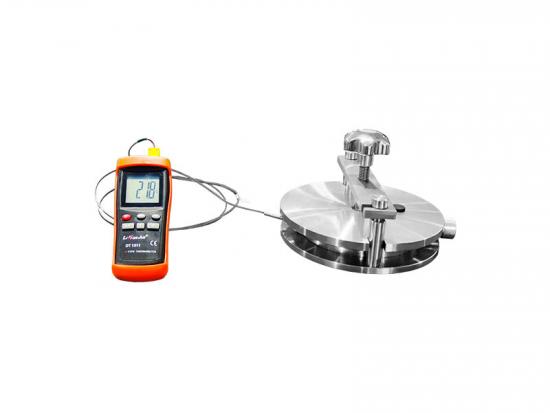
migration testing in food packaging Migration Test Cell-MC‑A
MC‑A Migration Test Cell: Professional Pre‑Treatment Solution for Food‑Contact Material Migration Test GBPI MC‑A Migration Test Cell for Food‑Contact Material Migration Pre‑Treatment Address: No.3 Linjiang Road, Xiagang Subdistrict, Huangpu District, GuangzhouTel: +86 15820231129 | Official Website: www.gbpitester.com Product Introduction MC‑A Migration Test Cell is designed for the pre‑treatment of migration tests for food‑contact materials and products. It complies with GB 5009.156‑2016 requirements and is applicable for food simulants defined in GB 31604.1‑2015, EN1186‑1 and other relevant standards. It provides standardized test conditions to support safety assessment for food‑contact films, sheets and flat‑shape specimens, widely adopted by third‑party laboratories, food packaging manufacturers and research institutes. Executive Standards To ensure test repeatability and global recognition, MC‑A Migration Test Cell conforms to both Chinese national standards and European normative requirements: GB 5009.156‑2016, GB 31604.1‑2015, GB/T 23296.1‑2009, EN 1186‑1:2002, EN 13130‑1:2004. It satisfies migration pre‑treatment requirements for domestic inspection and EU export certification. Core Technical Parameters Contact Type Single‑sided contact Contact Area 196 cm² Contact Diameter Φ158 mm Volume 390 mL Operating Temperature 5℃ ~ 180℃ Thermometer Measuring Range ‑20℃ ~ 300℃ Net Weight 6.9 kg Product Features • Manufactured strictly in accordance with Figure B.3 of Appendix B in GB 5009.156‑2016 for Migration Test Cell A, ensuring high consistency of migration test results among different laboratories. • Adopts high‑grade stainless steel material, no trace substance precipitation occurs during testing, avoiding interference to migration analysis data. • Thickened lead‑screw central compression sealing structure delivers reliable single‑sided sealing and prevents liquid permeation. • Special sealing construction isolates non‑test areas of samples from food simulants, securing valid and accurate contact test area. • Equipped with external temperature‑measuring unit, which can precisely capture real‑time temperature of food simulants in the whole pre‑treatment procedure. Application Fields It applies to migration test pre‑treatment for food‑contact materials and products in forms of films, plates and sample sheets. It supports migration pre‑treatment with non‑volatile food simulants including water, acid‑alkali solutions and vegetable oil for food‑contact articles, satisfying routine inspection, new‑material R&D and export compliance verification for food packaging industry. Conclusion MC‑A Migration Test Cell is a standard‑compliant auxiliary device for food‑contact material safety testing. With precise single‑sided contact structure, anti‑interference material and external real‑time temperature monitoring, it delivers repeatable migration pre‑treatment results for lab QC, third‑party testing institutes and packaging manufacturers. It is essential hardware for food‑contact material compliance assessment both for domestic market and European export business. Get Quotation for This Unit GBPI Packaging Test Equipment ManufacturerAddress: No.3 Linjiang Road, Xiagang Subdistrict, Huangpu District, Guangzhou, Guangdong, ChinaTel: +86 15820231129 | Official Website: www.gbpitester.com
Gas Permeation Analysis Gas Permeation Analysis System GTR-10H
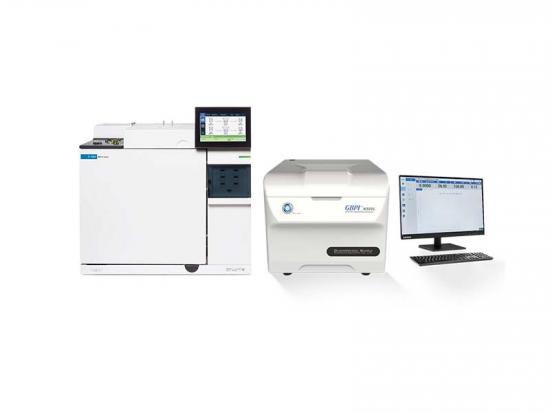
Product introduction The GTR-10H gas permeation analysis system consists of a differential pressure permeation device and a gas chromatograph. It can test and analyze the gas permeability of various single-component gases and mixed gases, and can accurately calculate the permeability, permeability coefficient and other parameters of each component gas. The test gas has a wide range of types and high accuracy, and is suitable for gas permeation testing in the fields of fuel cell proton exchange membrane gas permeability testing, hydrogen permeation of hydrogen storage materials, gas density of bipolar plate materials, and natural gas storage materials.   Test principle Place the processed sample between the high-pressure chamber and the low-pressure chamber, and the low-pressure chamber is connected to the gas chromatograph through a quantitative loop. At the set test temperature, use a vacuum pump to evacuate the gas system, and then add a certain pressure of test gas to the upper chamber to form a constant pressure difference between the upper and lower chambers. Under the action of the pressure gradient, the gas penetrates from the high-pressure chamber to the low-pressure chamber through the film. The system injects the gas that penetrates into the low-pressure chamber into the gas chromatography column and separates it into various components, and calculates the gas permeability, gas permeability coefficient and other barrier performance parameters of each component.   Standard GB/T 20042.3,GB/T 20042.6-2011,GB/T 1038.1-2022,ISO 15105-1   Specification Item Technical Parameters Test range 2.0×10⁻¹²~3.0×10⁻⁷ mol/(m2·s.Pa) Detection system Gas chromatography (GC), TCD detector Test gas Gases such as hydrogen, oxygen, nitrogen, carbon dioxide, carbon monoxide, methane, etc., single component or mixed component Gas pressure 0~300kPa Permeation module temperature control range 15~60℃ Temperature control accuracy ±0.1℃ Permeation area 50.24 cm2 Sample size Φ110 mm Sample thickness ≤2 mm Sample quantity 1 piece Power supply AC 220 V,50 Hz   Features Advanced gas chromatography analysis technology The instrument is equipped with an advanced gas chromatography analysis module and a new microcomputer temperature control system, which can achieve 16-step program temperature rise with high temperature control accuracy; it adopts multi-processor parallel working mode, and can be equipped with a variety of high-performance detectors. The instrument is stable and reliable, equipped with a 7-inch color LCD touch screen and a dedicated workstation, which is convenient to operate and easy to process data.   Fully automatic precision control of permeation module test temperature The permeation module uses semiconductor refrigeration chips to automatically control the temperature in both directions, with higher temperature control accuracy, up to 0.1℃.   Can test the permeability of single gas and mixed gas It can measure the permeability of a single gas and the permeability of different mixed gases at the same time, and has a wide range of uses. In addition to its application in the traditional packaging industry, it has broad application prospects in new energy fields such as hydrogen energy.   Intelligent operating system, global certification Self-developed intelligent operating system, modular graphics, flexible setting of test process parameters, and intuitive and convenient operation. Designed according to the GMP Appendix "Computerized System", it has an audit tracking function and multi-level user authority settings, which can meet the needs of the pharmaceutical industry for data traceability. Personalized test reports are set on demand, supporting data output in multiple formats, electronic signatures, and online submission of audit reports.   Laboratory Intelligent IoT Platform The instrument can be connected to the IoT platform to achieve digital network management. Remote authorization to log in to the IoT platform can achieve functions such as managing experimental data, remote diagnosis and troubleshooting. Customers can download the required instrument information, documents, and operation videos on the platform.
migration testing in food packaging Migration Test Cell-MC-D
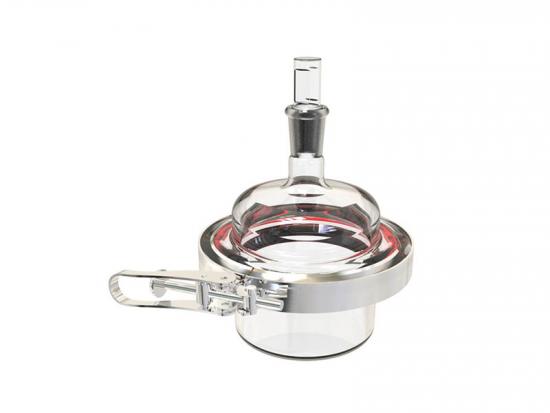
MC‑D Migration Test Cell: Professional Pre‑Treatment Solution for Food‑Contact Material Migration Test GBPI MC‑D Migration Test Cell for Food‑Contact Material Migration Pre‑Treatment Address: No.3 Linjiang Road, Xiagang Subdistrict, Huangpu District, GuangzhouTel: +86 15820231129 | Official Website: www.gbpitester.com Product Introduction MC‑D Migration Test Cell is suitable for pre‑treatment of migration tests for food‑contact materials and products. It meets the requirements of GB 5009.156‑2016 and applies to all non‑volatile food simulants specified in GB/T 23296.1‑2009, GB 31604.1‑2015 and other relevant standards. It provides standardized test conditions to support safety assessment for food‑contact specimens, widely adopted by third‑party laboratories, food packaging manufacturers and research institutes. Executive Standards To ensure test repeatability and global recognition, MC‑D Migration Test Cell conforms to both Chinese national standards and European normative requirements: GB/T 23296.1‑2009, EN13130‑1:2004, GB 5009.156‑2016, GB 31604.1‑2015, EN1186‑1:2002. It satisfies migration pre‑treatment requirements for domestic inspection and EU export certification. Core Technical Parameters Contact Mode Single‑sided contact Contact Area 99.17 cm² Contact Surface Diameter Φ112.4 mm Volume 300 mL Operating Temperature 5℃ ~ 120℃ Product Features • Designed and manufactured with reference to Type‑D cell in Appendix C of EN1186‑1:2002, Type‑D cell in Appendix D of GB/T 23296.1‑2009 and Type‑D cell in Appendix D of EN13130‑1:2004, ensuring consistency of migration test results. • This migration cell supports both migration‑cell method and total‑immersion method to meet diverse pre‑treatment requirements. • Constructed of premium borosilicate glass featuring high hardness, high light transmittance and excellent chemical stability. It is heat‑resistant with low matrix content and will not interfere with the determination of overall migration and specific migration values. • Adjustable stainless‑steel latches enable simple operation and reliable sealing. It prevents burst under high‑temperature conditions with various food simulants, guaranteeing test safety and stable migration results. • For non‑reflux immersion, the opening can be sealed and fixed directly with glass plug to carry out total‑immersion tests at ambient and high temperatures. • For reflux immersion, a condensation reflux tube can be directly connected to the ground‑glass joint for migration testing. Application Fields It applies to migration test pre‑treatment of food‑contact materials and products exposed to food simulants including water, acetic acid and ethanol. Conclusion MC‑D Migration Test Cell is a standard‑compliant auxiliary device for food‑contact material safety testing. Made of high‑performance borosilicate glass, it supports both migration‑cell and total‑immersion approaches, compatible with non‑reflux and reflux immersion workflows. With safe anti‑burst performance under high‑temperature testing, it delivers repeatable migration pre‑treatment results for lab QC, third‑party testing institutes and packaging manufacturers. It is essential hardware for food‑contact material compliance assessment both for domestic market and European export business. Get Quotation for This Unit GBPI Packaging Test Equipment ManufacturerAddress: No.3 Linjiang Road, Xiagang Subdistrict, Huangpu District, Guangzhou, Guangdong, ChinaTel: +86 15820231129 | Official Website: www.gbpitester.com
Professional GX-B3  Disc peeling tester Plastic Film-Disc Peeling Testing Machine-with CE ISO Certificate supplier GX-B3 Disc peeling tester Plastic Film-Disc Peeling Testing Machine-with CE ISO Certificate
GX-B3 type disc peeling tester is used for testing the adhesion fastness of printing ink layer of plastic film and cellophane decorative printed materials (including composite film printed materials) produced by gravure printing process. It can also be used to test the adhesion state of the surface layer formed by vacuum coating, surface coating, compounding and other related processes.  
Astm d1777 thickness tester for Fabric Astm d1777 thickness tester for Fabric digital thickness gauge of solid electrical insulation laboratory paper dial thickness test device
The thickness of the film material, an important characteristic of the packaging material, varies and is critical for other properties such as permeability, tensile strength, impact resistance, etc.
20 KN Universal test machine GBPI 20 KN UNIVERSAL TEST MACHINE
This Series machine can be applied to test lots of materials in rubber tensile elongation, compression, tear, big size peel (can 90 degrees and 180 degrees) and other mid-force mechanical test( 5KN,10KN,20KN,optional ) , such as tires, belt, shoes, plastic, film, acrylic,FRP, ABS, EVA, PU, aluminum-plastic pipe, composite materials,waterproof materials, fibers, textiles, wire and cable, paper, gold foil,ribbons, thread, spring, wood, medicine packaging materials, tapes etc.
Ozone Aging Test Chamber Ozone Aging Test Chamber (Dynamic Stretching) GB-OCY-150M
1 Function Ozone in the atmosphere is very little, while it’s a major factor in rubber cracking, the product simulate and enhance atmospheric ozone condition to study the role of ozone on the rubber, and to rapid identificate and evaluate rubber resistance for ozone aging and anti-ozone agent protection. According to“GB / T7762-2003 Test Method for Static Tensile Test of Ozone Resistance Cured Rubber or Thermoplastic Rubber”,“GB / T2951.21-2008 General Test Method for Insulation and Sheathing Material of Cable”,“GB / T 11206-2009 Rubber Aging test surface cracking method”, and other relevant standards of the test method. 2.1 Structure  All-in-one machine 2.2 Material a) Inner chamber: SUS304 stainless steel plate b) External chamber: SUS304 stainless steel plate or baking finish. Insulation: rigid polyurethane foam + aluminum insulation cotton with double protection. 2.3 Machine door a) Single door, open from left. b) Window frame / door frame with two silicone rubber seal and anti-condensation heating device. c)With observation window (W220xH250mm), lights above the window and door.  2.4 Requirements for sample holder (for dynamic-type only)       a)At both ends of the sample to be fixed with a clamp under the required elongation, the longitudinal direction of the specimen shall be substantially parallel to the direction of air flow when in contact with ozonized air. b) Clamps shall be made of a material (eg aluminum) which does not readily decompose ozone. c) Allow the sample to rotate at a speed between (20 ^ -25) mm / s, in a plane perpendicular to the dry gas flow, with each sample moving continuously along the same path. d) The time of one revolution of the same specimen is (8 ^ -12) min. The scanning area of the specimen shall be at least 40% of the effective area of the test chamber. Specimen preparation shall conform to the provisions of GB / T 9865.1. The test specimen is preferably cut from the new test piece and, if desired, may be cut from the finished product. At least 3 specimens shall be required for per test condition. The standard length of the specimen is not less than 10mm, and thickness not less than 0.2mm. The length of specimen between the two ends of the clamp before drawing is not less than 40mm. 3 Control panel a) Controller display b) Power switch c) Fault alarm d)Wavelength switch e)light switch button 4 Enclosure configuration a) With a stainless steel SUS # 304 shelf turntable b) One φ50mm lead hole:, and with a hole cover and silicone rubber plug. c) Move casters 4 pcs d) Horizontal mounting brackets 4 pcs e) There is a drainage hole in the back of the machine to facilitate the drainage of condensate; (8mm in diameter) Three-phase five-wire cable (four-core cable + protective grounding wire) 1 pc, (three meters long).
  • Facebook
  • Linkedin
  • Youtube
  • Twitter

Copyright @ 2026 Guangzhou Biaoji Packaging Equipment Co.,Ltd. All Rights Reserved.

Chat now

Inquiry Now

Home

Products

NEWS

contact